
St. Petersburg is a city defined by water on three sides - Tampa Bay to the east, the Intracoastal to the west, and the Gulf just beyond the beaches. The result is a climate that cools the air in the morning and loads it with moisture by afternoon, all through a cooling season that runs the better part of ten months. Historic bungalows in Old Northeast and Uptown, mid-century ranches out toward Tyrone and Pinellas Point, and newer construction near the Gateway corridor all deal with that same humid, salt-tinged air moving through their ductwork.
If you have noticed musty air when the system starts, dust that settles back within days of wiping, or allergy symptoms that are noticeably worse indoors, your ductwork is a likely explanation. This guide covers what Gulf humidity and bay salt air actually do to a St. Petersburg HVAC system, the warning signs that ducts need cleaning, what a professional job involves, what drives the cost here, and how often Pinellas County homes should be on a schedule.
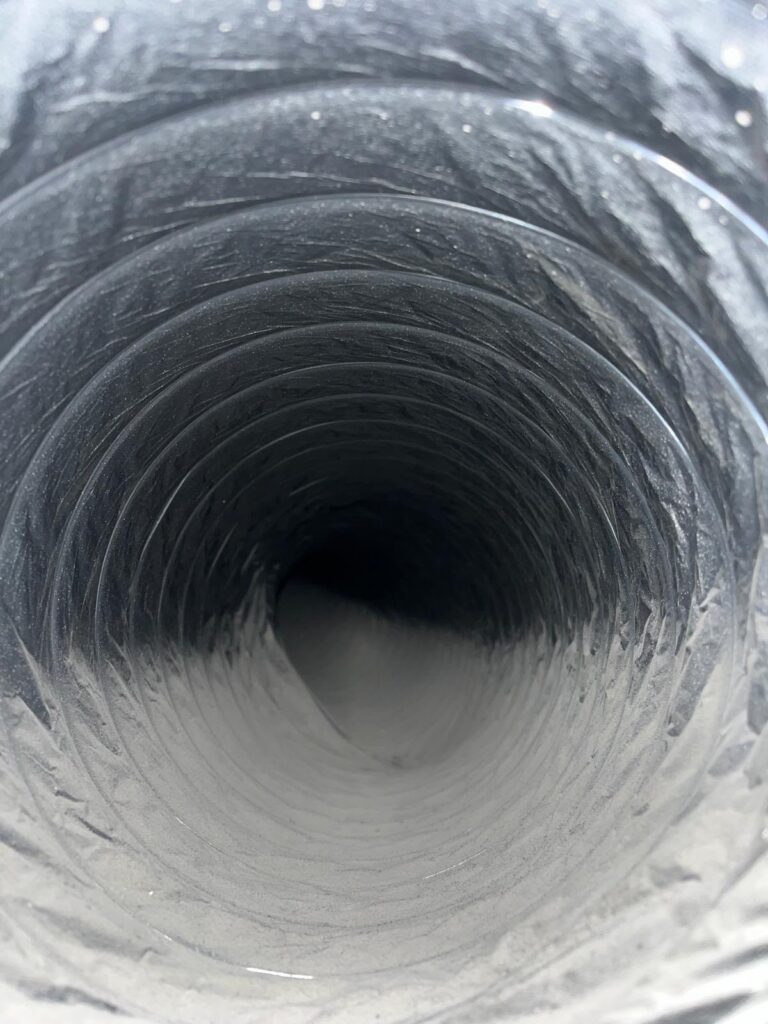
Why St. Petersburg Ductwork Collects Faster Than You Think
The peninsula geography is the whole story, and it works on ductwork in a few specific ways.
- Water on three sides. Bay and Gulf air surround the city, so the humidity never really drains out of the air the way it does inland after a dry week. Moisture rides into the return ducts every time the system runs, and damp dust sticks to the liner instead of blowing through.
- Nearly year-round runtime. St. Petersburg homes run their air handlers close to ten months a year. Every hour of runtime deposits whatever the filter misses onto the inside of the duct, which is why buildup here outpaces what the standard national guidance assumes.
- Salt air near the water. Homes on the east side near the bay and out toward Pinellas Point and Coquina Key pick up airborne salt, which is hard on vent caps, registers, screws and the blower housing. Salt also makes dust more likely to cling to surfaces.
- A very mixed housing stock. Old Northeast bungalows from the 1920s often had central air retrofitted decades after they were built, with ductwork squeezed into attics, crawlspaces and closets. Mid-century and newer homes have tighter flex-duct systems that trap dust just as thoroughly in different places.
- Storm season resets the clock. Pinellas takes the same storms every coastal county does, and a house that ran without power for several days during a humid stretch often pulls damp, debris-laden air into the system on restart.
That combination - relentless humidity, long runtime, salt near the water and retrofitted ductwork - is why a St. Petersburg house tends to need attention sooner than a home further inland.
The Warning Signs Worth Acting On
Dust in a home is normal. The question is whether the system is putting more of it back into the air than it should.
- Dust returning within a few days of cleaning. Wiping a shelf is temporary if the source is inside the duct.
- A musty or sour smell when the AC starts. In this climate that usually points to damp buildup on the duct liner rather than dry dust.
- Visible dust puffing from supply registers in the first minute the system runs.
- Dark streaks around the register louvers.
- Allergy symptoms that are worse indoors than outside, particularly in a home with pets.
- Higher energy bills for the same comfort, which can indicate a dust-packed blower wheel making the system work harder.
Seeing several of these at once is a good reason to have the system inspected rather than guess. Our guide to the signs a home needs air duct cleaning walks through each one in detail.
What a Professional Cleaning Actually Involves
A real duct cleaning is not someone running a shop vacuum across the registers. In a humid coastal home the process should include:
- Source removal under negative pressure. The system is put under vacuum so loosened debris is captured and removed rather than redistributed into the house. This is the core of the work - without negative pressure, the ducts are not being cleaned.
- Brushing and agitating every run. Supply runs, returns and trunk lines are agitated with tools that reach well past the register. Damp dust that has sat in a humid duct for years will not move on vacuum alone.
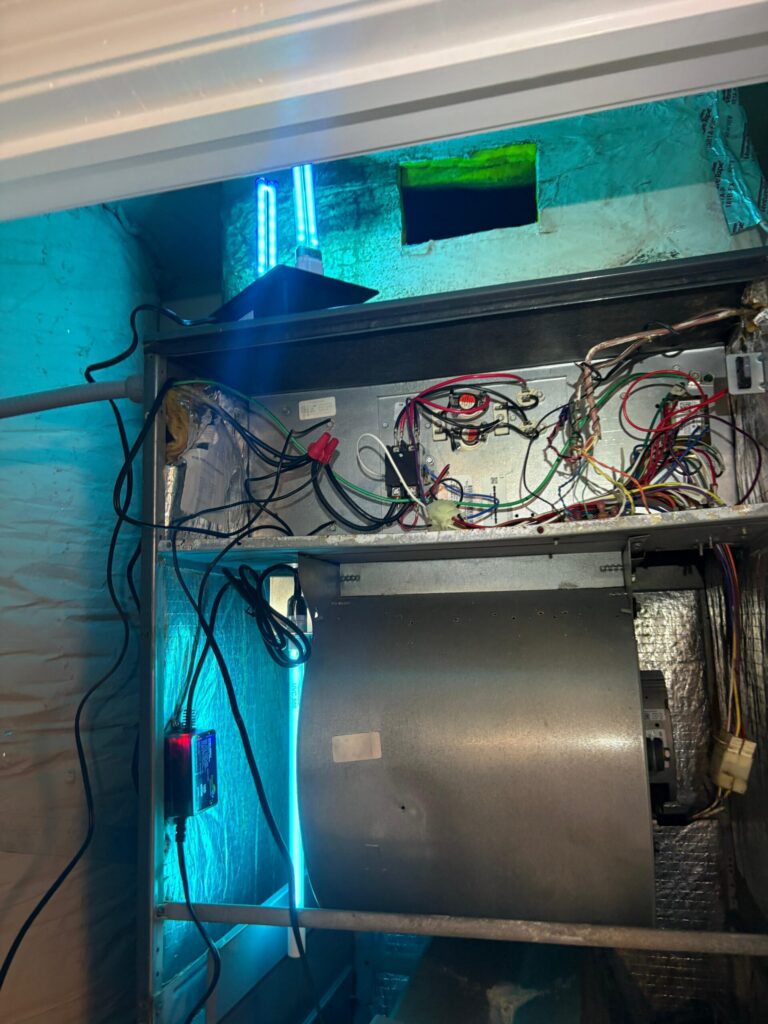
- Air handler and blower wheel cleaning. This is the step most often skipped and the one that matters most in this climate. A blower wheel coated in damp dust moves less air, drives up runtime, and recirculates your own household dust. Less than a tenth of an inch of buildup on the cooling coils can visibly cut system efficiency.
- Registers and grilles removed and washed. Supply and return covers come off, get cleaned, and go back on.
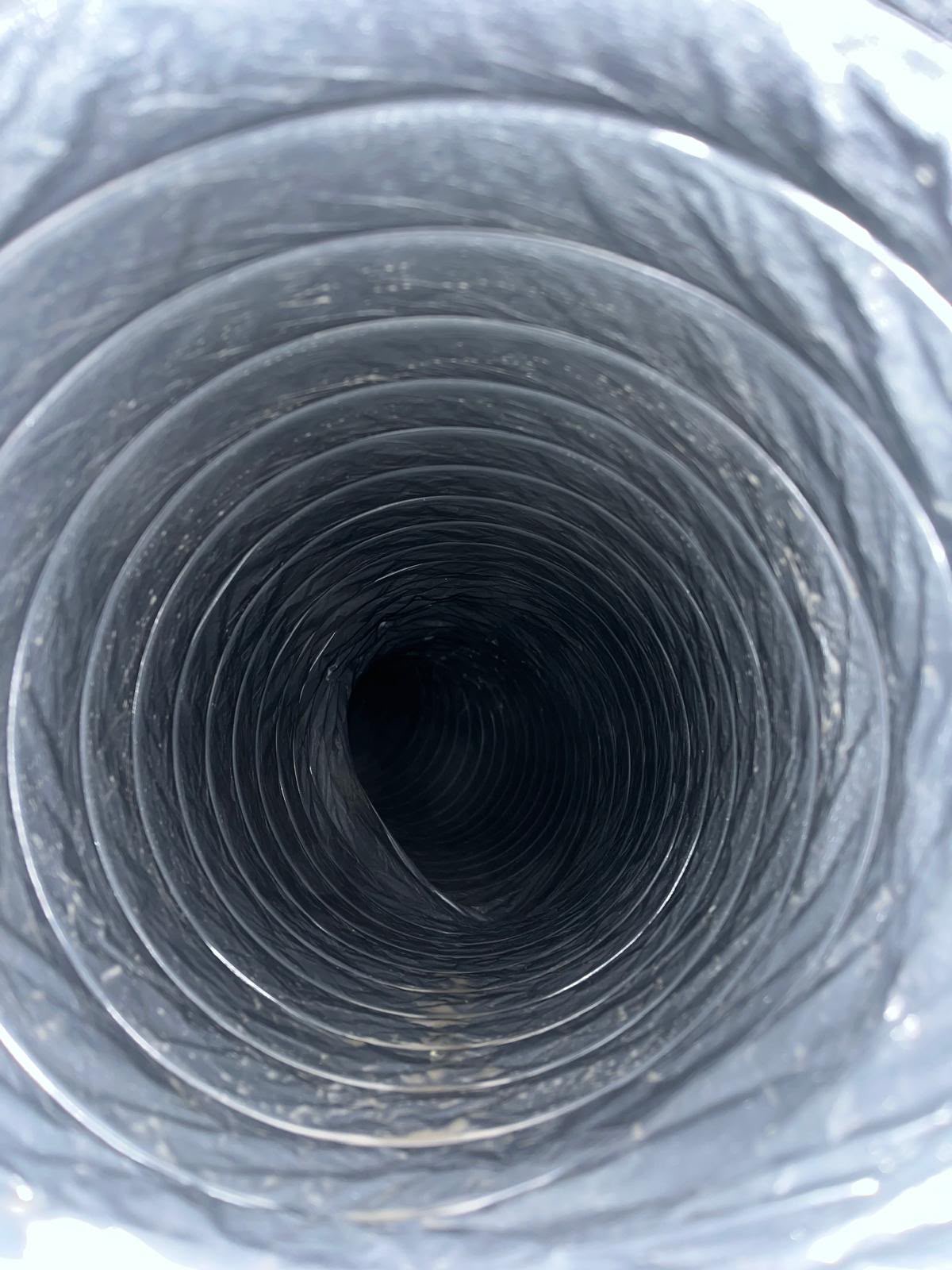
- Before-and-after photos of your own system. You should be able to see what was there and what came out.
The dryer vent is worth doing in the same visit. Many St. Petersburg homes have long or vertically routed dryer vent runs that exit through a wall or roof cap, and lint accumulating in that run is a leading cause of house fires. Our dryer vent fire safety guide explains how that happens, and it applies the same way in Pinellas County.
How Often Should St. Petersburg Homes Be Cleaned
Every three to five years is a reasonable baseline for most Florida homes. In St. Petersburg, two to three years is the better interval if any of these apply:
- Homes near the bay, Coquina Key or Pinellas Point, where salt air accelerates corrosion and buildup.
- Households with pets, especially dogs that swim.
- Anyone in the house with allergies or asthma.
- Homes that have never had the ducts cleaned since the ductwork was installed or retrofitted.
If you are unsure which side of that line you fall on, read how often to clean air ducts in Florida for the full reasoning. The short version: humidity shortens the interval, and a full house with pets shortens it further.
What Drives the Cost in St. Petersburg
Pricing is set by the size of the system, the number of vents, the length and layout of the runs, and how accessible the ductwork is - not by the neighborhood. A 1920s bungalow in Old Northeast with retrofitted attic runs generally takes longer than a simple modern layout, and that shows up in the quote.
Be cautious with a very low advertised price. It almost always covers a surface pass with light equipment, and the real number appears as an upsell once the crew is inside your home. Ask for a written, itemized quote based on your actual system, confirm that the air handler, blower wheel and registers are included, and ask whether photos are provided. Our guide to how air duct cleaning is priced explains how providers build those figures, and the same logic applies here.
Why Sunshine Duct Cleaning
We are an insured, professional crew that cleans air ducts, dryer vents and chimneys across Pinellas County and the Tampa Bay area. Every technician is background-checked and trained, and we photograph your system before and after so you can see the work that was done. You can see every community we serve on our Pinellas County service areas page, including the St. Petersburg service area, or follow our work on Facebook.
Frequently Asked Questions
1. How often should air ducts be cleaned in St. Petersburg?
Every three to five years is a reasonable baseline, but two to three years is better for most St. Petersburg homes. The cooling season runs close to ten months and the humidity stays high, so buildup happens faster than the national guidance assumes.
2. Does living near Tampa Bay really affect my ductwork?
Yes. Homes near the bay, Coquina Key and Pinellas Point deal with airborne salt in addition to heavy humidity. Salt corrodes metal components such as vent caps, registers and the blower housing, and it makes dust cling to duct surfaces so buildup accelerates.
3. What are the signs my St. Petersburg home needs duct cleaning?
The most common signs are a musty smell when the AC begins, dust returning within days of wiping, dust puffing out of supply registers at startup, dark streaks at the grilles, allergy symptoms that are worse indoors, and higher energy bills for the same comfort.
4. How long does air duct cleaning take?
Most St. Petersburg homes take two to four hours depending on square footage, the number of vents, and how accessible the ductwork is. Older homes with retrofitted attic or closet runs usually take longer than newer layouts.
5. Is duct cleaning worth it in a newer home?
Newer construction is not immune. Builder dust, drywall debris and construction particulate often settle in the ducts during the build and circulate through the house for years afterward. A first cleaning a year or two after move-in is a common and sensible step.
6. Should I have the dryer vent cleaned at the same time?
Yes, and it is one of the highest-value add-ons. St. Petersburg homes often have long or vertical dryer vent runs to an exterior or roof cap, and lint accumulating in that run is a leading cause of house fires. Clearing it during the same visit is efficient and worth doing.
Call Sunshine Duct Cleaning at (813) 359-9338 to schedule air duct cleaning anywhere in St. Petersburg and across Pinellas County. Our hours are Open Sunday-Friday 24 hours, Closed Saturdays, and we are glad to give you an honest assessment before you commit to anything.