
You change the filter, dust the shelves, wipe down the vents - and your home still feels dusty a week later. When that happens, the ductwork feeding your vents is one of the prime suspects. Dirt in the ducts does not all stay put: every time your AC cycles, air scours those interior walls and sends some fraction of the settled material back into your rooms. Here are the seven signs we see most often in Tampa Bay homes, why they matter, and what to do about them in order to breathe easier.
- Dust builds on register grilles and dark staining - inside your vents
Take a phone flashlight and look inside two or three supply air ducts. A thin gray film is normal. Thick matting of dust and fibers, dark streaking around the louvers, or a mini blizzard as air starts to flow is not. Dust browning on and around supply registers, black marks onto the ceiling, or little gray streaks around damping rings or fastener heads are the fingerprints of a system pushing air through a debris-lined path.
- The air is musty, sour or stale when the AC kicks on
A sour, musty or damp-sock smell from your supply registers is a telltale of debris plus moisture - the classic combination inside Florida ducts. Where a dull smell that clears in seconds is just a system that has been sitting still, an odor that hits at the start of every cooling cycle - and this matters all year here when the blower runs from March through November - deep inside your ducts has trapped organic material and the microbial residue that grows on it. Odor is how a dirty system announces itself.
- Your filters clog far faster than they should
You know roughly when to expect a clogged filter. If your one-inch filter grays out and sags under load in two or three weeks - every time, no matter the brand or MERV rating - the dirt is not coming from the room air. It is being boosted into circulation by the layer inside your ducts that the filter catches in a cycle faster than it otherwise would. A filter that saturates early is a valve system warning you that the dirt reservoir upstream never got cleared.
- Allergy or asthma symptoms that flare indoors
If family members sniffle, sneeze or wake congested more at home than outdoors, and the pollen season has passed, the recirculated material bugging them may be coming from your ductwork. The reason is simple: in a tightly sealed Florida home the air in your living space passes through the duct system many times an hour, and whatever sticks to those interior walls gets re-aerosolized on every pass. Cleaning the system removes the reservoir at the source instead of medicating the symptoms.
- You moved in, renovated, or finished major construction
Dust is the driving factor for the fastest cleanups: sanding, drywall powder, plaster dust, sawdust and carpet fibers - and Tampa Bay never stops building and rebuilding. New houses have their own version: construction debris, drywall dust, attic fiber and sawdust routinely get pulled straight into the return air during the build-out. If the house predates your move-in or your remodel, the ducts have never seen a clean date; no one before you scheduled it, so the reservoir just accumulated.
- Rooms at the far end of the house barely move air
Weak or patchy airflow in distant rooms is often a duct cleaning issue rather than a unit sizing issue. When debris mats the interior of long runs and around bends, the static pressure in those branches climbs, and branches with the longest path to the air handler lose flow first. Homeowners call it "the back bedroom that never blows," and it is often as simple - and as fixable - as a duct system that no longer moves air the way it was designed to.
- It has simply been years, and nobody remembers the last visit
Duct cleaning is duration-bound simply because accumulation is slow. There is no magic switch that says "dirty"; the industry baseline is professional air duct cleaning every 3 to 5 years, with dryer vents annually. If the last visit is pre-pandemic, pre-renovation, or pre-dating your tenure entirely, the state of the system is unknown - and unknown is exactly when to inspect. A quick and honest look around the system settles the question in minutes.
The Tampa Bay Factors That Clog a Duct Faster
The compounding factors local to the area make duct cleaning schedules shorter than national baselines: humidity, a nearly year-round cooling season keeping the blower running, and the near absence of open-window months that would otherwise let the system rest quietly. Add the usual cast of Florida dust sources - fine sandy grit, live oak and pine pollen, coastal salt residue in the beachside communities, attic fibers migrating through aging flex duct - and the average Tampa Bay duct system collects-years faster than the average American home. Homes with several shedding pets, big live-oak cover, or an attached workshop or garage bay remodel lose clean status faster still. Where dust accumulates faster, the same seven signs appear sooner.
What a Real Cleaning Looks Like
A professional air duct cleaning is not a Shop-Vac poked into a register. Done right, it follows a carefully staged sequence: inspection, negative-pressure containment, mechanical agitation and HEPA extraction, finishing with a confirmation that the system is clean and running. The technician starts by looking inside your system with a camera, sets up a high-powered vacuum so loosened debris is drawn out of the house rather than into it, then brushes and air-whips every duct run and branch line section by section. The return plenum, blower housing and - where applicable - the evaporator coil are attended to as well, because those surfaces collect most of what air carries. When we are done you can look into a cleaned run and see sheet metal, not lint.

What You Can Do Right Now
Simple habits keep the duct system honest between professional visits: change your HVAC filter on schedule and do not wait for it to gray out, vacuum supply and return grilles when you notice visible dust, keep furniture and curtains from blocking returns, and do not let anyone but a professional open the duct system. If three or more of the seven signs above are true in your house, book an inspection rather than another filter purchase; the reservoir inside the ductwork does not care how committed you are to the filter aisle.
A Simple Takeaway
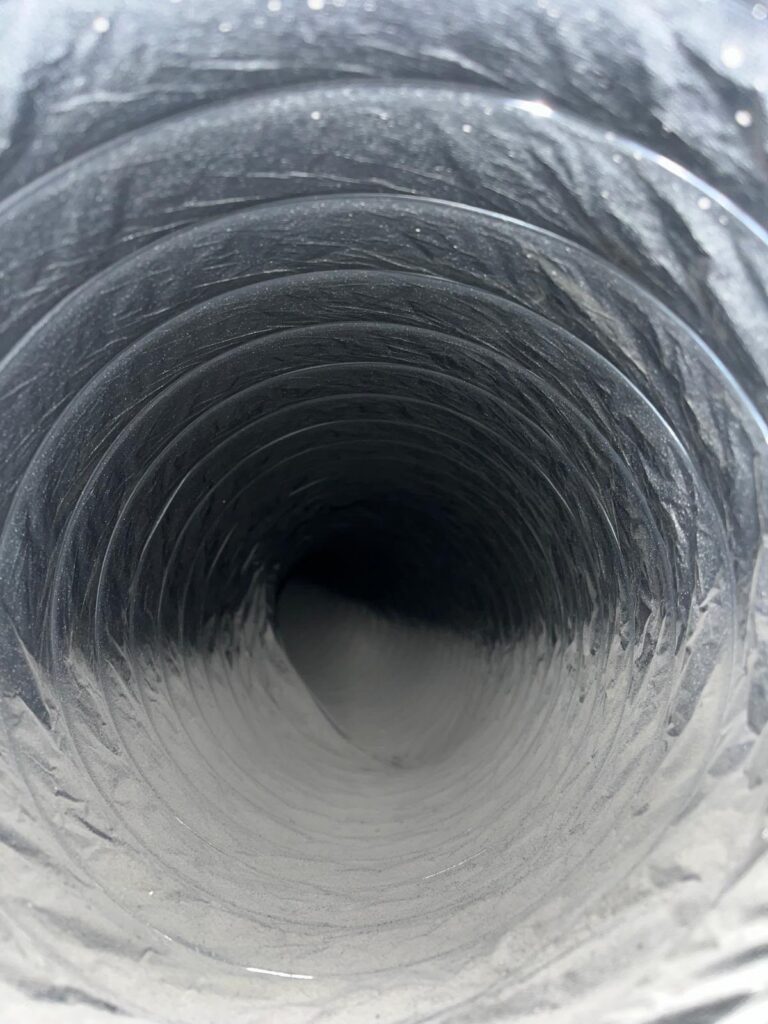
The bottom line: the seven signs - visible dust on registers, an odor at the start of each cycle, filters clogging early, symptoms indoors, renovation dust, weak airflow at the far ends of the house, and simply the passage of years - are all evidence of the same underlying thing. In a Tampa Bay home where the blower works overtime through high humidity and months of pollen, that evidence arrives sooner than the national baseline would suggest. The fix is the same in every case: professional air duct cleaning in Tampa Bay removes years of accumulated material at the source - it restores airflow, quiets the sneezing, and lets your system - and your family - breathe easier.
If two or three of these signs describe your home, Sunshine Duct Cleaning can take a look, walk you through what we find inside, and give you a straight, no-pressure estimate. Call (813) 359-9338 and we will get you on the schedule.
Frequently Asked Questions
1. How do I know if my air ducts need cleaning?
The most common signs are visible dust or dark streaks on register grilles, a musty or sour smell when the system starts, filters that clog much faster than expected, allergy symptoms that improve when you leave the house, weak airflow in far rooms, and it having been more than three years since the last service.
2. How often should air ducts be cleaned in Florida?
A good baseline is every 3 to 5 years for most homes, or more often with shedding pets, renovation work, humidity or odor issues, or allergy-sensitive occupants. Tampa Bay's long cooling season and humidity make duct inspections generally more urgent here than in other regions.
3. Can dirty air ducts affect my health?
They can contribute to the problem: ductwork that is loaded with dust, dander and microbial residue re-circulates that material into your living space on every cycle. Households with allergies, asthma or young children often report the biggest improvement after a professional cleaning.
4. Does air duct cleaning reduce dust in my home?
Yes - the dust you wipe off shelves and registers each week partly comes from your duct system. When the accumulation inside is removed at the source, the amount of material available to re-circulate drops, and surfaces stay clean longer between dustings.