
Most Tampa Bay homeowners don’t think twice about their dryer vent — until the day something goes terribly wrong. The truth is, a clogged dryer vent is one of the most common hidden fire risks in American homes, and Florida’s humid climate only makes lint buildup worse. The good news? It’s completely preventable. In this post, the team at Sunshine Duct Cleaning explains, in plain English, how dryer vent fires start, how to spot the warning signs, and how regular cleaning in Tampa Bay keeps your family safe.
Why Dryer Vent Fires Happen
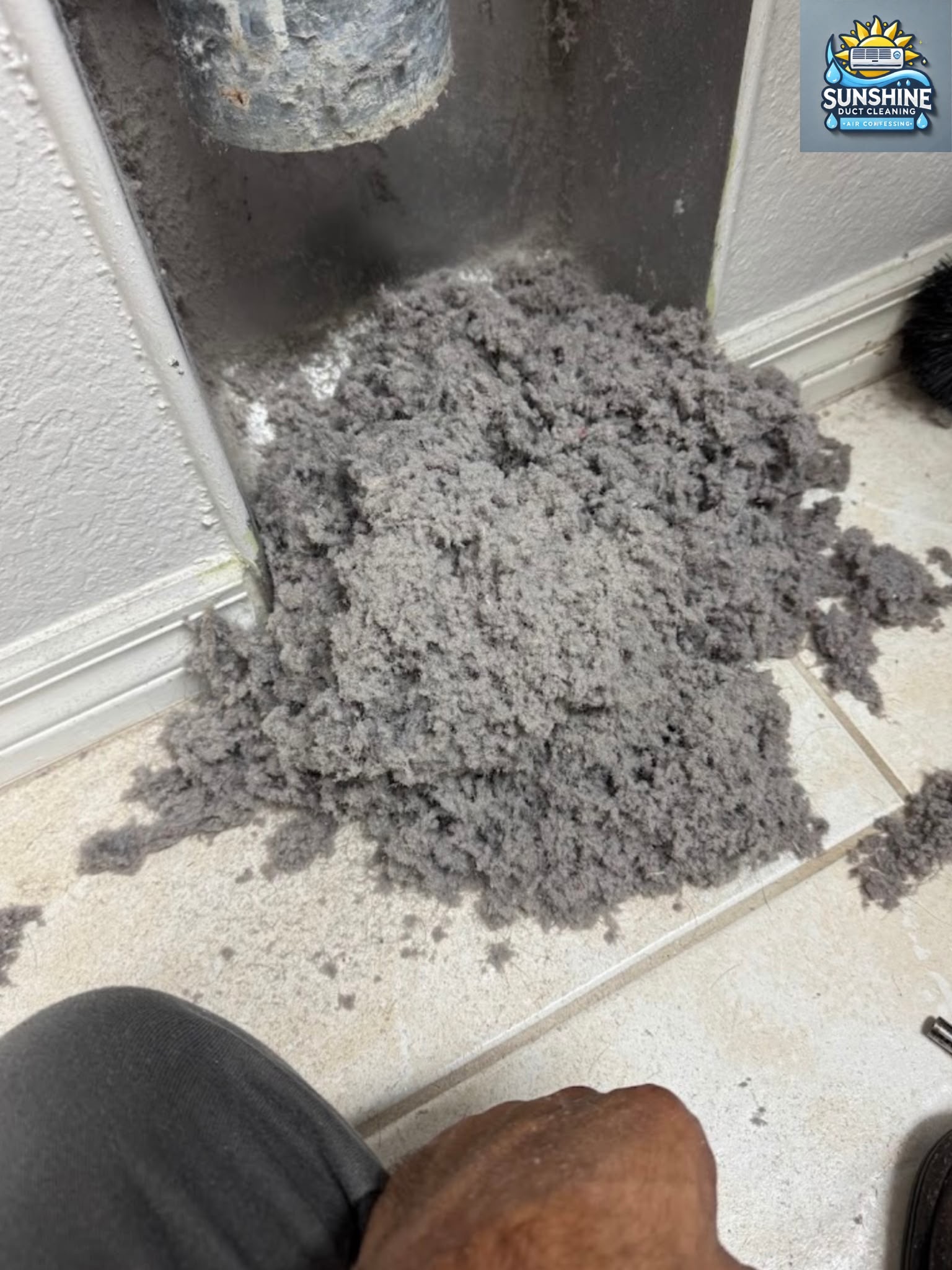
Here’s the short version: every time you run your dryer, it pushes hot, damp air — along with tiny fibers from your clothes — out through a long vent that leads outside. Those fibers are called lint, and they’re extremely flammable. As they travel, they get caught on the ridges and bends inside the vent and gradually build up into a thick, fluffy layer.
When that layer blocks airflow, the heat from your dryer can’t escape the way it’s meant to. The temperature inside builds, and eventually the trapped lint can reach its ignition point and catch fire. The photo below shows exactly the kind of lint Tampa Bay teams pull out of a single clogged vent — a powerful reminder of how much can hide out of sight. According to the U.S. Fire Administration, thousands of home fires each year start this exact way — and in our hot, humid climate, the combination of heavy use and moisture makes Tampa Bay homes especially vulnerable.
Step 1: Know the Warning Signs
Dryer vent problems rarely announce themselves with a loud bang — they show up as small, easy-to-ignore clues first. If you notice any of these, it’s time to act: clothes taking noticeably longer to dry, your laundry room or the dryer itself feeling much hotter than usual, a burning or dusty smell while the dryer runs, or lint collecting around the dryer or the vent opening.
Another big red flag is a dryer that shuts off before the load is done, which is often a sign that heat is building up inside because the vent isn’t venting properly. In Tampa Bay’s humid weather, these signs can come on faster than homeowners expect, so it’s worth checking your vent regularly rather than waiting for a load to overheat.
Step 2: Understand What's Causing the Blockage
Lint isn’t the only thing that can clog a dryer vent. Over time, the vent can accumulate dust, debris, and even small items that slip past the lint trap — things like loose change, paper clips, or pet hair. The flexible foil and spiral vents many homes have are especially prone to catching lint in their ridges and folds.
On top of that, Florida’s high humidity means the inside of a dryer vent stays damp, which lets debris clump together and cling to the walls even more stubbornly. The further the vent runs — and in many two-story Tampa homes, that’s a long way through walls, attics, and crawl spaces — the more places there are for blockages to form.
Step 3: Get the Vent Professionally Cleaned
While you can and should empty the lint trap after every load, cleaning the deep vent run behind your dryer and through the walls is a job for professionals. That’s because the vent is long, narrow, and full of bends that household tools can’t reach. Professional equipment — rotating brushes, high-pressure air, and heavy-duty vacuums — clears the entire line from the dryer all the way to the outside cap.
Here at Sunshine Duct Cleaning, we clean the full length of the dryer vent and inspect it for damage, gaps, or crushed sections that can also trap lint and block airflow. Doing this on a regular basis dramatically lowers the chance of a fire and helps your dryer run faster and use less energy — a win for both safety and your utility bill.
A Simple Takeaway
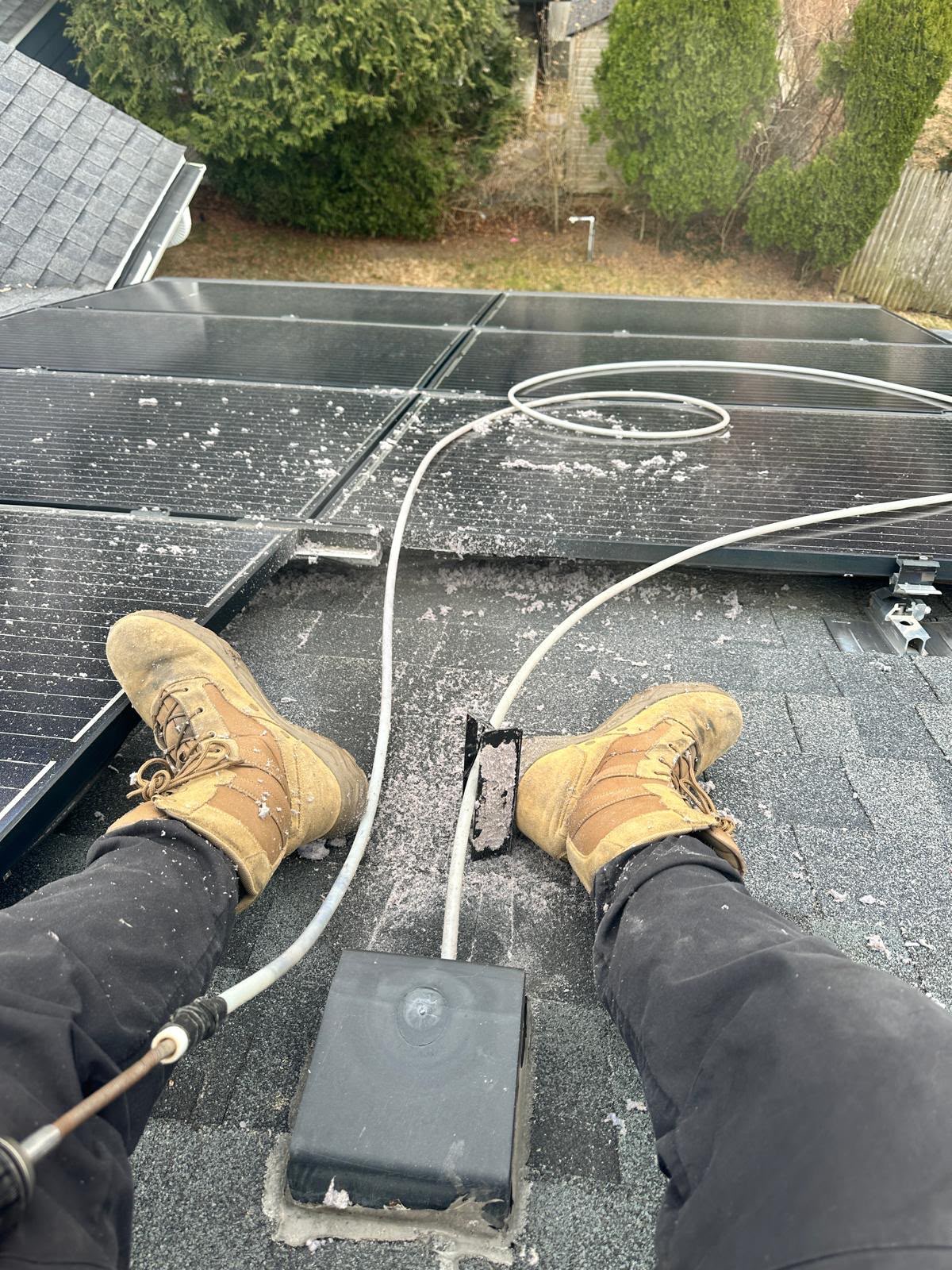
The bottom line: a clogged dryer vent is one of the most preventable fire risks in any home, and it’s easy to forget because it’s hidden out of sight. A few simple habits — clearing the lint trap every load and scheduling a professional dryer vent cleaning every 12 to 18 months — can make a huge difference in protecting your family and your home.
Often the vent exits through the roof, which is exactly what you see above: our technician accessing the exterior rooftop dryer vent cap to clear the full line from inside. If you’re in the Tampa Bay area and can’t remember the last time your dryer vent was cleaned, the team at Sunshine Duct Cleaning is happy to inspect your setup, clear the full line — from the dryer to the roof cap — and give you peace of mind that your home is protected.
Frequently Asked Questions
1. What causes most dryer fires?
Lint buildup inside the vent and dryer is the leading cause of home dryer fires. Lint is highly flammable, and when it clogs the vent, heat has nowhere to escape and can ignite it.
2. How often should a dryer vent be cleaned?
Most experts recommend cleaning your dryer vent every 12 to 18 months, and more often if you do a lot of laundry, have pets, or notice clothes taking longer to dry.
3. What are the warning signs of a clogged dryer vent?
Common signs include clothes taking longer to dry, the dryer or laundry room feeling excessively hot, a burning smell, and lint collecting around the dryer or its vent.
4. Can I clean my dryer vent myself or should I call a pro?
You can clean the lint trap yourself, but the deep vent run behind the dryer and through your walls usually needs professional equipment to reach and remove thoroughly.