
Jacksonville is an unusual city by Florida standards. It is enormous - the largest city by land area in the contiguous United States - and it stretches from the Beaches out past the agricultural edges of Duval County. It is also one of the most humid large cities in the state, sitting on the St. Johns River with salt water close on one side and wetland flatlands on the other.
That combination has a specific consequence that most homeowners never think about until something goes wrong: the dryer vent becomes one of the hardest-working and least-examined parts of the house. Between the humidity, the year-round laundry, and a housing stock that ranges from century-old homes in Riverside and Avondale to new construction on the Westside and Northside, that vent line collects lint faster than most people expect. This guide covers how lint builds up here, the warning signs that yours needs attention, what a professional cleaning involves, and how often a Jacksonville home should have the line cleared.
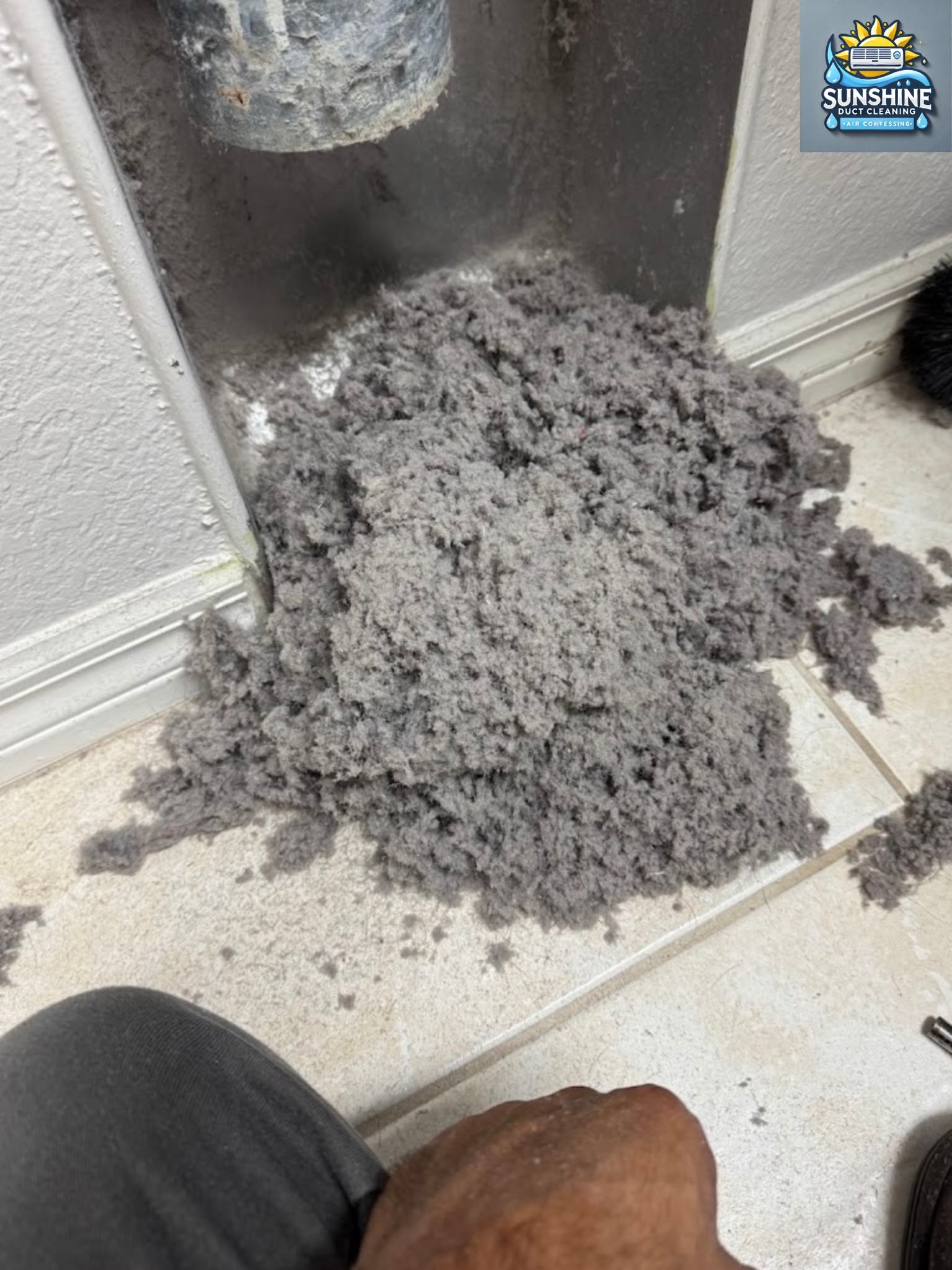
Why Jacksonville Dryer Vents Load Up Faster
Dryer vents clog everywhere, but a few local factors make them clog faster here.
- The humidity is genuinely high. Jacksonville is one of the most humid metros in Florida, and damp lint is heavier and stickier than dry lint. Instead of being carried out with the exhaust air, it clings to the walls of the vent run and builds up in layers.
- The Riverside and Avondale housing stock is old. Homes in the historic neighborhoods often date to the early twentieth century, and their laundry rooms were retrofitted rather than designed. That usually means a longer, more winding path to an exterior wall.
- Interior laundry closets are common. In older Jacksonville homes the washer and dryer often sit in a hallway closet or a central utility room rather than against an exterior wall, so the lint has much further to travel before it gets outside.
- Salt air at the Beaches. Homes east of the Intracoastal deal with airborne salt, which corrodes the exterior cap and can seize the flap shut even when the run behind it is clear.
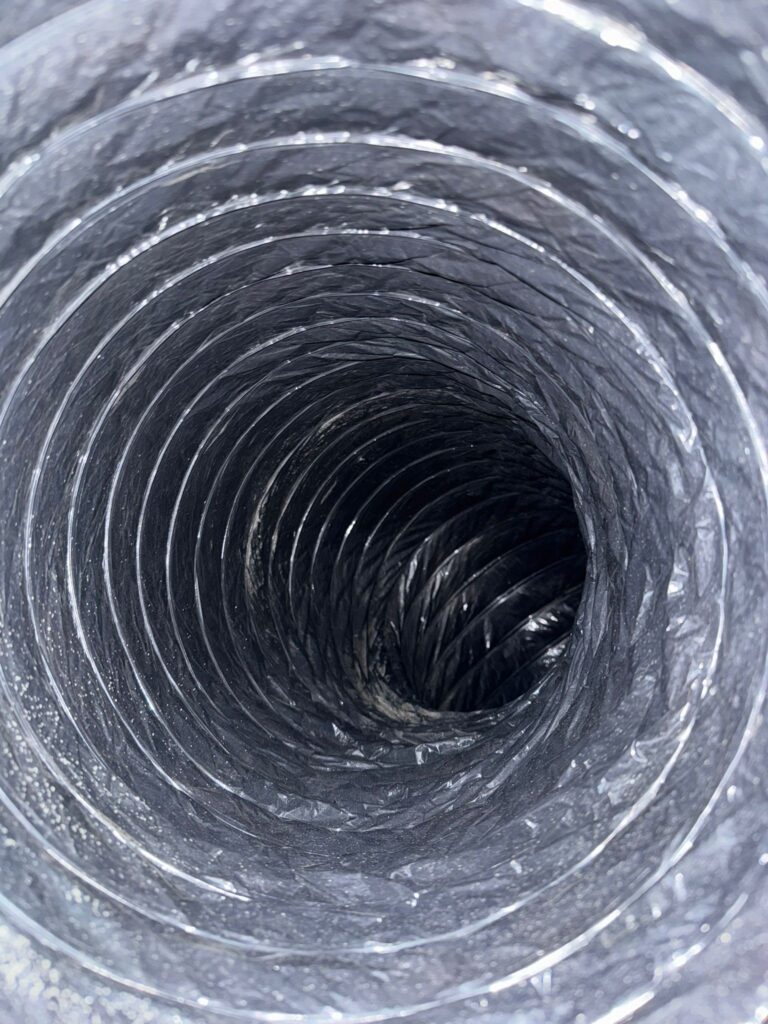
- Flexible corrugated ducting is everywhere. The ridged interior of foil or plastic flex duct catches lint in a way smooth metal pipe does not, and it is the most common material in older installs.
- Year-round use adds up, and the holidays make it worse. Jacksonville households run the dryer all twelve months. From Thanksgiving through New Year, guest bedding, towels and extra loads push even more lint into the same line.
Put those together and a Jacksonville dryer vent can reach a genuinely risky level of buildup in less time than a homeowner would expect.
The Warning Signs Worth Acting On
Some of these are obvious once you know to look for them. Others are easy to miss until they get serious.
- Clothes take two cycles to dry. This is the most common early sign. If a load that used to dry in one pass now needs two, airflow through the vent is restricted.
- The dryer or the laundry area gets unusually hot. Heat has nowhere to go if the exhaust is blocked, and that heat is what ignites lint.
- A burning or scorched smell during a cycle. That is not a normal dryer smell. Stop using the machine and have the vent checked.
- The top of the dryer is hot to the touch after a normal cycle.
- The exterior vent flap does not open when the dryer runs, or you feel little to no airflow at the outside termination.
- Lint visible around the outside vent cap, or lint collecting behind and under the dryer.
- The laundry area feels damp or humid after a cycle, which means moist air is staying inside rather than venting out.
- Rust or scale on the exterior cap. Common on the Beaches side of the county, and worth checking on its own.
If more than one of those applies, the vent should be cleaned before the dryer is used again. Our dryer vent fire safety guide explains exactly how a clogged run turns into a fire.
What a Professional Dryer Vent Cleaning Involves
A proper cleaning is not pulling the lint out of the trap and calling it done. The trap catches a fraction of what the machine produces. The real work happens in the run itself.
- The full vent line is cleared from the dryer to the exterior. Lint is removed along the entire length of the run, not just what is reachable from either end.
- Rotary brushes and air whips matched to the duct material. Flexible corrugated ducting needs gentler tools than rigid metal pipe. A crew that uses one method for everything can tear a soft liner and leave the problem worse.
- The exterior termination is cleared and checked. Blockages at the outside cap are common, and on the Beaches the flap itself may be rusted. Both matter even when the run behind them is clear.
- The dryer connection and transition duct are checked. The short piece behind the dryer is where a surprising amount of lint collects, and it is the easiest section to inspect once the machine is pulled out.
- Airflow is verified after cleaning. You should be able to see or feel a clear, strong exhaust at the termination when the machine runs.
- Before-and-after photos. You should see what came out of the line, not just be told it was dirty.
While the dryer is pulled out, it is worth having the air ducts looked at too. Jacksonville homes that run laundry this hard usually run the AC just as hard, and our Jacksonville air duct cleaning guide covers what a job here involves. Every community we serve is listed on the Duval County service areas page.
How Often Should a Jacksonville Dryer Vent Be Cleaned
Once a year is the right baseline for most households, and it is what the manufacturer of your dryer almost certainly recommends. In Jacksonville, the interval should be shorter if any of these apply:
- The household does a lot of laundry - a family with kids, or anyone running several loads a week.
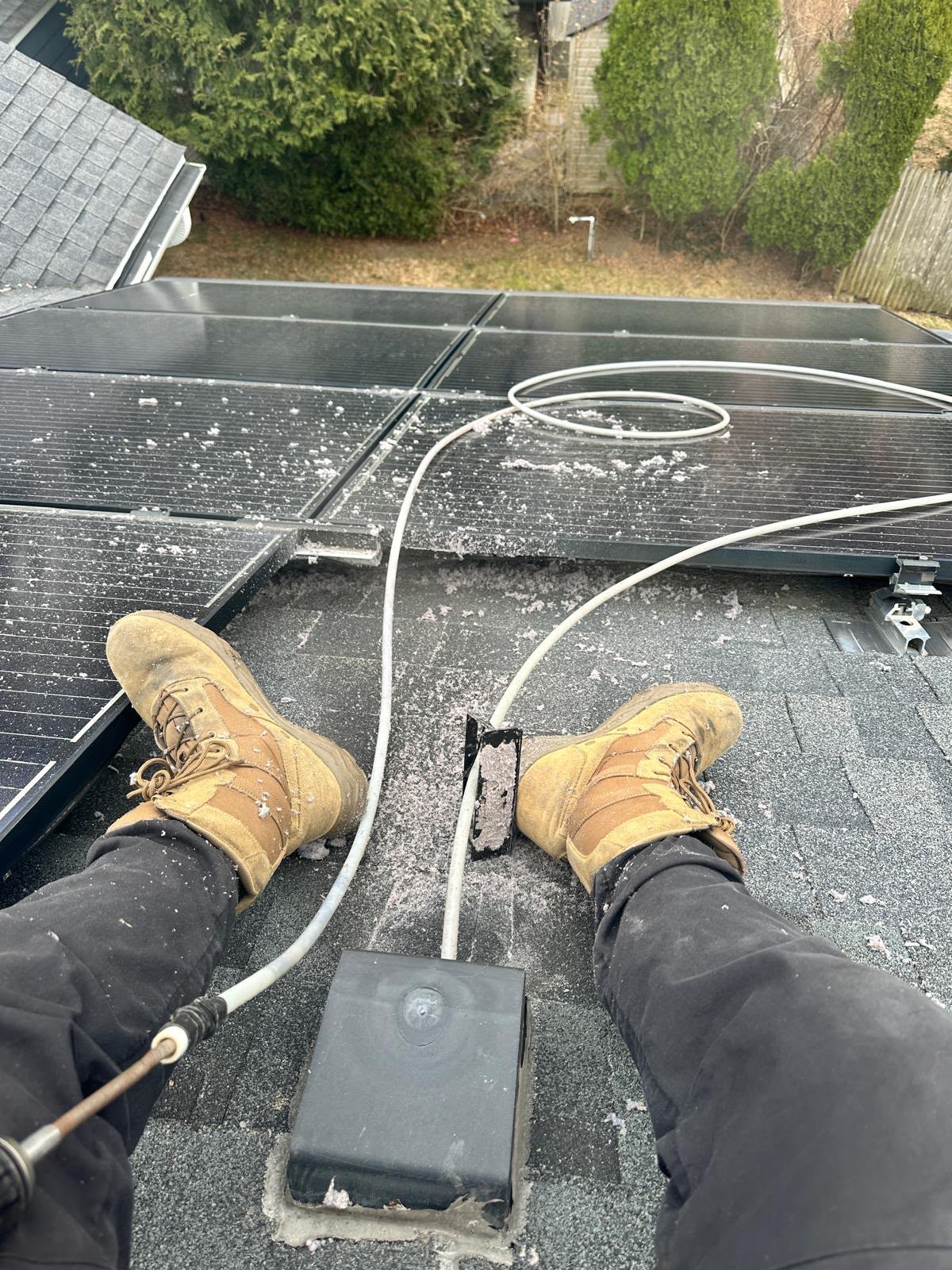
- The vent run is long, or routed through an interior wall or up to a rooftop termination.
- The ducting is the flexible corrugated kind rather than smooth metal pipe.
- There are pets in the home, since pet hair adds to lint in the line.
- The dryer has started taking longer to dry a load.
- The home is east of the Intracoastal, where salt accelerates corrosion on the exterior cap.
For heavy-use or long-run households here, every six to nine months is reasonable. If you are not sure which category you fall into, a cleaning visit will tell you how much came out and how fast it built up, which makes the right interval obvious.
What Drives the Cost
Pricing depends on the length of the vent run, how accessible it is, how much buildup there is, and whether the termination is at a wall or up on the roof. A short straight run to an exterior wall is a straightforward job. A long run with a rooftop cap, or one that has never been cleaned, takes more time and equipment - and a quote that reflects that is a quote you can trust.
Avoid anyone who quotes a single flat price without looking at the run. Ask for a written, itemized quote, confirm that the full line from dryer to exterior is included rather than just the transition duct behind the machine, and ask whether you will get photos. Our guide to how air duct cleaning is priced explains how local providers build their figures, and dryer vent pricing follows the same logic.
Why Sunshine Duct Cleaning
We are an insured, professional crew that cleans dryer vents, air ducts and chimneys across Duval County and the Jacksonville area. Every technician is background-checked and trained, we match tools to the duct material rather than running one setup everywhere, and we photograph the run before and after so you can see what came out. You can see every community we serve on our Duval County service areas page, including the Jacksonville service area, or follow our work on Facebook.
Frequently Asked Questions
1. How often should a dryer vent be cleaned in Jacksonville?
Once a year is the right baseline for most households. Every six to nine months is better if you do a lot of laundry, have a long vent run, use flexible corrugated ducting, have pets, or have noticed the dryer taking longer to dry a load.
2. What are the warning signs of a clogged dryer vent?
The most common signs are clothes needing two cycles to dry, an unusually hot dryer or laundry area, a burning or scorched smell, a hot dryer top after a cycle, an exterior flap that does not open when the machine runs, visible lint around the outside cap, and a damp feeling in the laundry area after a cycle.
3. Why do older Jacksonville homes have a harder time?
Homes in neighborhoods like Riverside and Avondale were often built before modern laundry layouts existed, so the vent was routed wherever it could reach an exterior wall. That usually means a longer, more winding run, and interior laundry closets push the exit point even further away.
4. Is a clogged dryer vent really a fire risk?
Yes. Lint is highly flammable, and dryer vents are one of the leading causes of house fires nationwide. A blocked run traps heat inside the machine and the duct, which is exactly the condition that ignites accumulated lint.
5. Can I just clean the lint trap myself?
The lint trap catches only a fraction of what the dryer produces. The rest settles along the vent run, in the transition duct behind the machine, and at the exterior termination, which is why the full line needs to be cleared with proper equipment.
6. Should I have the air ducts cleaned at the same time?
It is a sensible pairing, and it is especially worth considering in an older Jacksonville home where the ductwork may never have been serviced. Combining the two jobs saves a second appointment, and both are part of getting the house ready before the holiday stretch.
Call Sunshine Duct Cleaning at (904) 644-9635 to schedule dryer vent cleaning anywhere in Jacksonville and across Duval County. Our hours are Open Sunday-Friday 24 hours, Closed Saturdays, and we are glad to give you an honest assessment before you commit to anything.