
If you’ve been researching how to keep your home’s air clean, you’ve probably come across two terms that sound similar: air duct cleaning and air duct sanitizing. Are they the same thing? Not quite — and knowing the difference can help you make the right call for your Tampa Bay home. In this post, the team at Sunshine Duct Cleaning breaks down what each service actually does, how they work together, and when you might need both for your Hillsborough County home.
Duct Cleaning vs. Duct Sanitizing: What's the Difference?
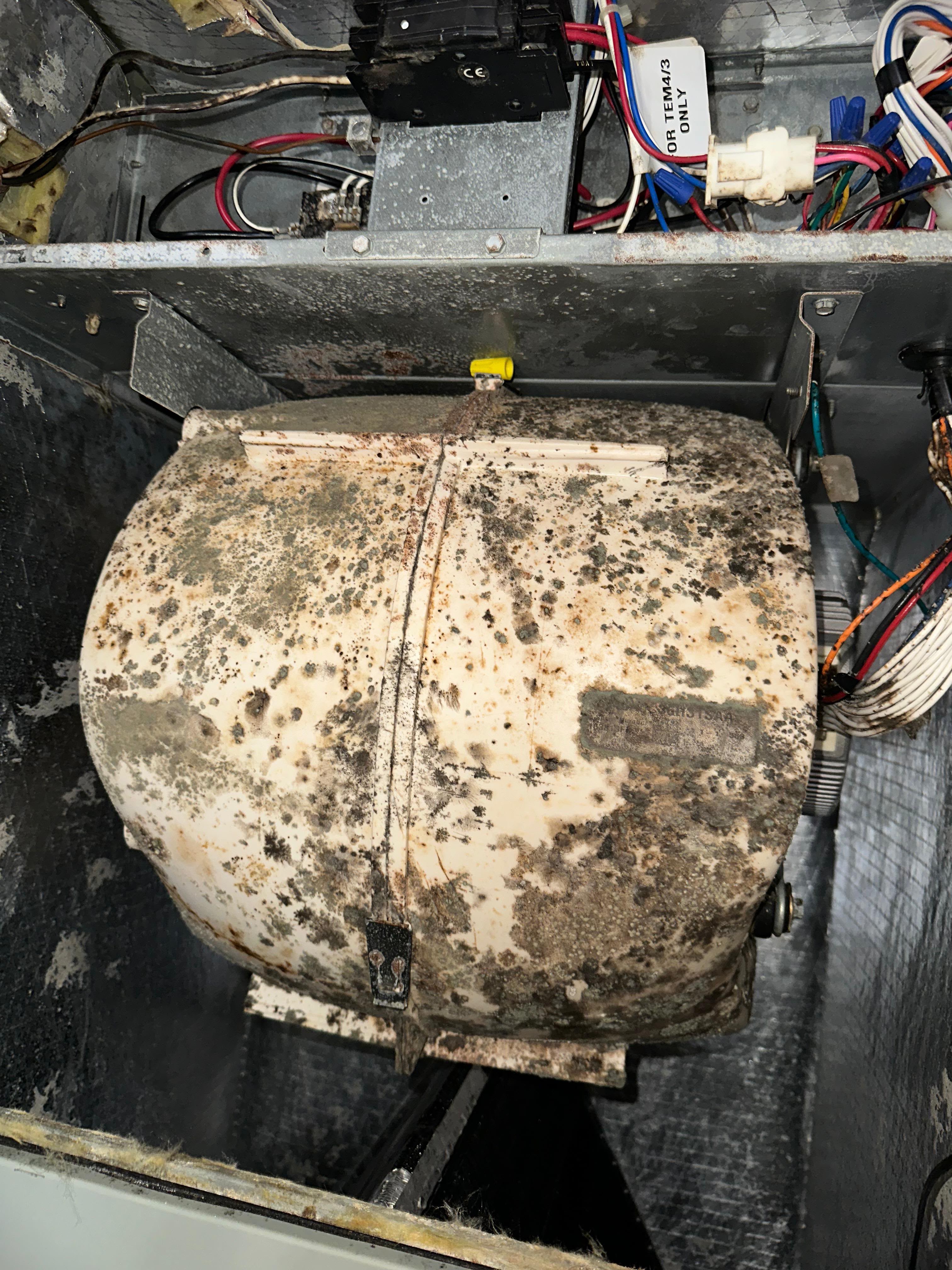
Here’s the short version. Air duct cleaning is a physical process: we use specialized vacuum equipment and agitation tools to remove dust, dirt, pet hair, and debris from the interior of your ductwork. It’s the core service that keeps your system free of visible buildup.
Air duct sanitizing is a treatment applied afterward to the interior surfaces of your ducts and HVAC equipment. Instead of removing debris, it neutralizes mold, mildew, bacteria, and odor-causing microbes. In other words, cleaning takes out the dust you can see, while sanitizing tackles the germs and smells you can’t. For many Tampa Bay homeowners, especially in our humid climate, doing both is what makes the difference between ducts that are empty and ducts that are genuinely clean and fresh.
What Air Duct Cleaning Does
Duct cleaning is all about physical removal. Using a high-powered vacuum connected to your system, we create negative pressure while agitation tools — brushes, air whips, and compressed air — loosen the years of dust and debris clinging to the duct walls. That loosened material is pulled away and captured, so it doesn’t end up back in your living space.
The result is a system that can move air more freely, which helps your HVAC run more efficiently and keeps dust from circulating through your rooms. If the goal is removing visible buildup, improving airflow, or addressing dust problems, duct cleaning is the step that makes it happen.
What Air Duct Sanitizing Adds
Once the ducts are physically clean, sanitizing goes a step further. A professional-grade antimicrobial treatment is applied to the interior surfaces of the ductwork and HVAC equipment to neutralize mold, mildew, bacteria, and the musty odors they create. Some systems also use a UV-C light unit installed inside the HVAC equipment for ongoing protection.
Sanitizing is especially valuable in Florida’s humid climate, where moisture can collect inside a dark system and fuel microbial growth. If a cleaning removes the dust but the musty smell lingers — or if an inspection turns up mold — sanitizing is the treatment that addresses it.
When Do You Need Both?
Not every home needs sanitizing. Plenty of households are well served by a thorough duct cleaning alone. But there are clear signs that doing both is the smarter move: a persistent musty or sour odor from the vents, visible mold on registers or duct surfaces, a history of allergies or respiratory irritation, or a system that has experienced water damage or high humidity.
Because sanitizing works best on surfaces that have already been cleaned, the two services pair naturally. Cleaning clears the buildup that can shield microbes, and sanitizing then treats the clean surfaces to keep them fresh longer. A professional inspection can tell you quickly whether sanitizing is a worthwhile addition, so you’re never paying for a treatment you don’t need.
A Simple Takeaway
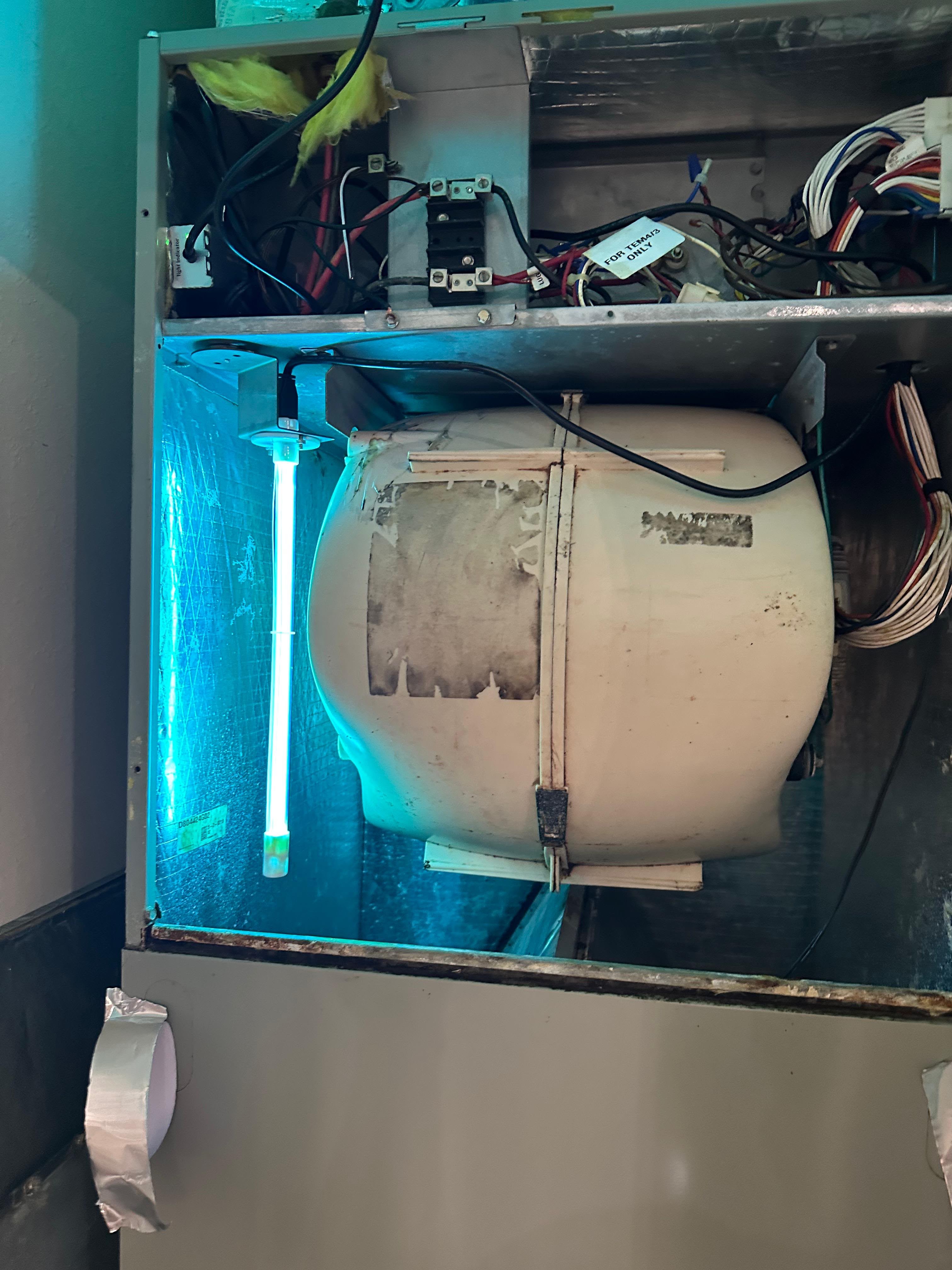
The bottom line: duct cleaning removes the dust and debris your system collects over time, while duct sanitizing neutralizes the mold, bacteria, and odors that a vacuum can’t reach. Most homes benefit most from a thorough cleaning, and many — especially in Florida’s humid climate — find that adding sanitizing gives them longer-lasting, fresher results.
If you’re in Hillsborough County and aren’t sure which service your home needs, the team at Sunshine Duct Cleaning is happy to inspect your system, talk through your options, and recommend the right approach for your home.
Frequently Asked Questions
1. What is the difference between duct cleaning and duct sanitizing?
Duct cleaning physically removes dust, debris, and buildup from your ductwork with specialized vacuum and agitation equipment. Duct sanitizing treats the interior surfaces to neutralize mold, bacteria, and odors. Cleaning addresses what you can see; sanitizing targets the microbes a vacuum can’t remove.
2. Should I get duct sanitizing instead of duct cleaning?
Most homes need duct cleaning as the foundation, with sanitizing recommended when there’s evidence of mold, mildew, musty odors, or moisture issues. Sanitizing works best after a thorough cleaning, which is why many homeowners benefit from doing both together.
3. How often should ducts be cleaned or sanitized?
Most experts recommend professional duct cleaning every 3 to 5 years. Sanitizing is typically done alongside a cleaning, or sooner if you notice mold, musty odors, or after water damage or renovation.
4. Is duct sanitizing necessary in Florida’s humid climate?
Tampa Bay’s humidity makes ductwork especially vulnerable to mold and mildew growth, so sanitizing is often a smart addition to a regular cleaning in Florida homes — particularly after cleaning or an HVAC inspection reveals moisture or microbial growth.