
A dryer fire almost never starts with a visible flame. It starts with lint - dry, fine and extremely flammable - collecting in a vent run no one looks at. The lint trap catches some of it after every load, but a large share slips past and settles in the duct behind the dryer. In Martin County, where humid coastal air makes lint cling to the inside of the pipe and many homes push their vent up through a hot attic to a rooftop cap, that buildup happens faster than most homeowners expect.
This guide explains why dryer vents are a genuine fire risk in Stuart, Jensen Beach, Palm City and Hobe Sound, the warning signs to watch for, and the simple yearly routine that keeps a home safe.
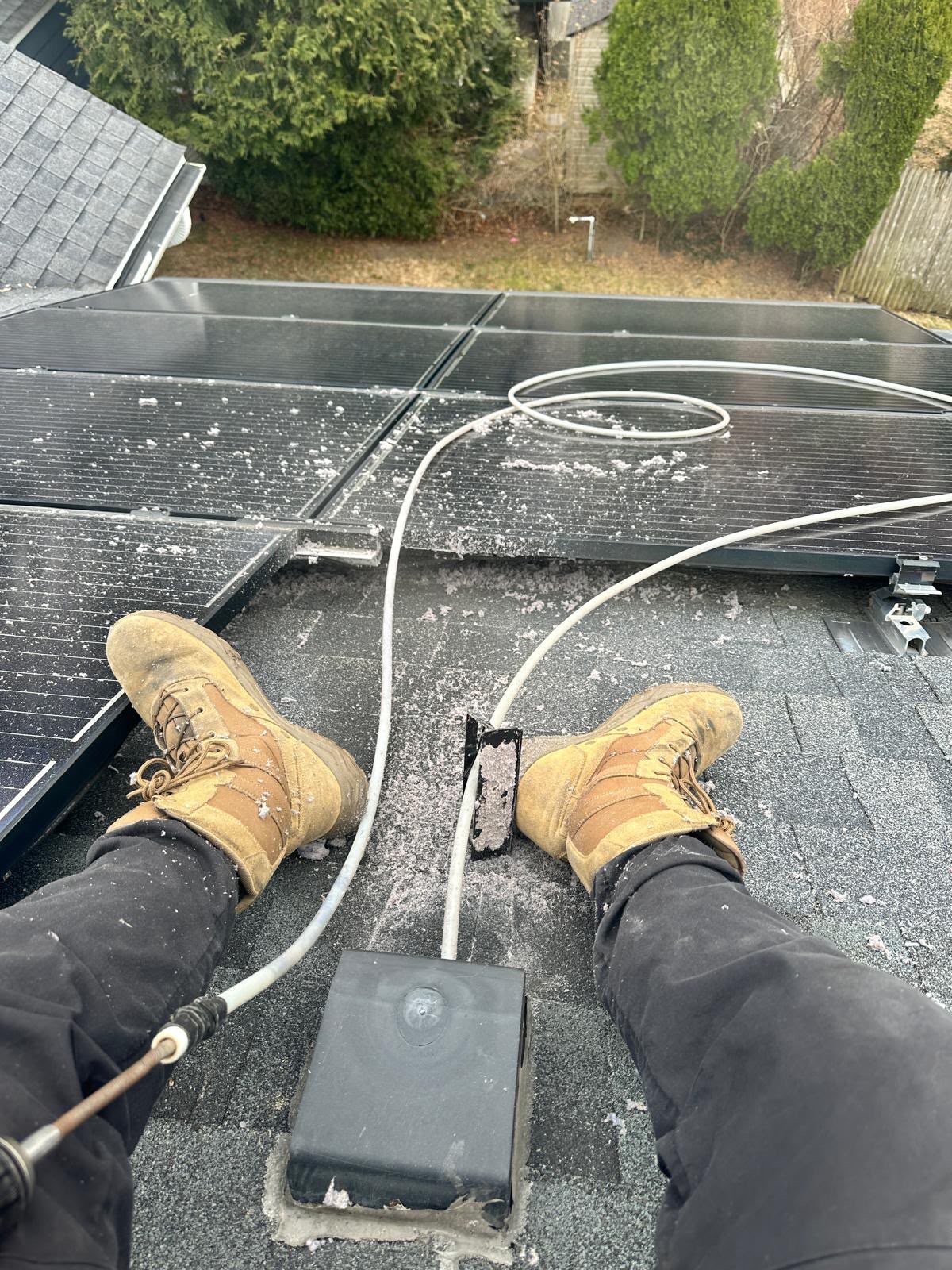
Why a Clogged Dryer Vent Is a Fire Risk
Every load of laundry pushes lint into the vent. Lint is one of the most flammable materials in any home - a single spark can catch it, and it burns hot and fast. As it layers up on the inside of the duct, it does two dangerous things at once: it restricts airflow so the dryer runs hotter, and it piles up fuel right next to the heat source.
When airflow drops, the dryer cannot shed heat the way it was designed to. The drum, the exhaust and the vent all run warmer, and the safety thermostats that would normally cycle the heat off get stressed. That combination - trapped heat plus a growing bed of lint - is exactly how dryer fires start, and it is why dryer vent cleaning is a safety service, not a cosmetic one.
What Makes Martin County Dryers Different
- Humidity makes lint stick. In a dry climate, loose lint tends to travel out through the vent. Here, the air is damp much of the year, so lint lands on a slightly tacky surface and clings in layers instead of moving along. Buildup is quicker and denser.
- Long runs to a rooftop cap. Many Martin County homes run the vent up through the attic and out through the roof, which means a long vertical climb and a screened or flapped cap that lint can mat against. A run that long and that high clogs sooner and is harder to inspect from the outside.
- Attic heat bakes it on. A vent running through a hot Treasure Coast attic bakes lint onto the interior of the pipe over time, so it hardens and resists the airflow that would otherwise carry it out.
- Crushed or sagging flex pipe. If the run is flexible duct that sags or got pinched during an installation, lint collects at every low point and kink.
- Pets and heavy laundry use. Homes with shedding pets and households running several loads a day load their vents much faster than the once-a-year baseline assumes.
Warning Signs Your Vent Is Clogged
You do not have to guess. Watch for these:
- Clothes take two or more cycles to dry. This is the single most common sign, and it means airflow is badly restricted.
- The dryer or laundry room gets unusually hot. Heat that cannot escape is heat building toward a problem.
- A burning or musty smell. A burning smell means stop using the dryer until the vent is checked.
- The exterior flap barely moves. Go outside while the dryer runs - if the vent flap does not open strongly, the run is clogged.
- The lint trap fills faster than usual, or you find lint collecting around the back of the dryer.
- The vent cap on the roof is matted or blocked with lint, leaves or a bird nest.
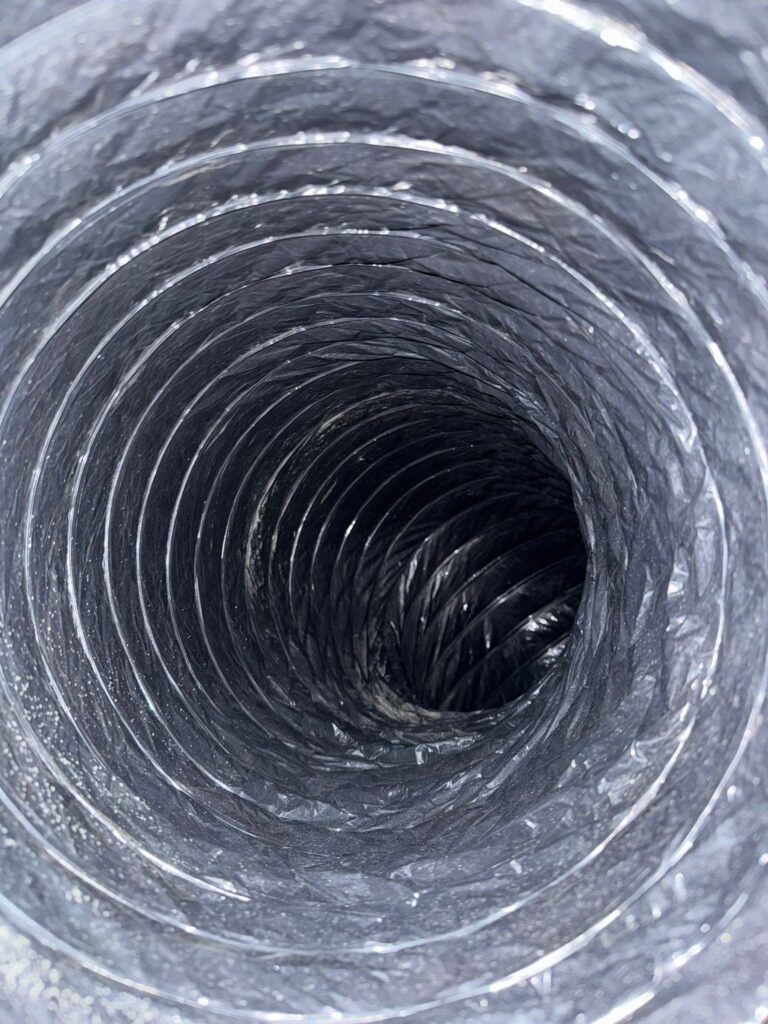
Why a Lint Trap Is Not Enough
Almost everyone cleans the lint screen after each load, and almost everyone assumes that is the whole job. It is not. The screen only catches the larger fibers. The fine lint - the particles that actually mat together and clog a vent - passes straight through the mesh and travels into the exhaust duct, where it builds up out of sight.
That is why the problem goes unnoticed for years. The visible trap stays clean, the dryer keeps running, and the real accumulation happens in the pipe behind the wall, in the attic, and up at the roof cap. By the time symptoms show up - long dry times, a hot laundry room - the restriction is usually well established.
What a Proper Dryer Vent Cleaning Involves
A real cleaning works the whole run, not just the opening behind the dryer:
- Disconnect and inspect the dryer connection to check the transition duct and the back of the appliance.
- Brush the full length of the run with high-speed rotary brushes sized to the duct, breaking lint off the walls of the pipe rather than only pulling what is loose.
- Vacuum with HEPA filtration so loosened lint is captured, not blown into the laundry room or attic.
- Clean and check the exterior cap, including the flap or screen and any bird nest or matted lint at the outlet.
- Verify airflow after cleaning so you can see the dryer exhausting the way it should.
- Flag any crushed or improper duct that will clog again quickly if it is not replaced.
How Often Should a Martin County Vent Be Cleaned?
Once a year for most homes. More often - every six to nine months - if the vent runs up through the attic to a rooftop cap, if you have shedding pets, if anyone in the home has allergies, or if you do a heavy volume of laundry. The humidity and long runs common in Martin County push homes toward the more frequent end of that range.
If you cannot remember the last time your vent was cleaned, or the home was bought used and no records came with it, treat this year as the baseline and schedule a cleaning.
The Extra Benefits Beyond Fire Safety
Fire prevention is the reason to take this seriously, but it is not the only payoff. A clear vent lets the dryer do its job in one cycle instead of two, which cuts energy use and shortens the time the machine runs. Less heat stress on the dryer extends its life and lowers the odds of a costly repair. And a clean vent means less lint and damp air circulating into the laundry room, which matters in a humid coastal climate.
For most homes it is one of the lower-cost maintenance services you can book, and it addresses a genuine safety risk at the same time.
Frequently Asked Questions
1. What causes dryer vent fires?
Lint buildup inside the vent. Lint is highly flammable, and as it collects it both traps heat and adds fuel right next to the dryer. Reduced airflow makes the dryer run hotter, and a spark from the dryer or its heating element can then ignite the lint.
2. How often should a dryer vent be cleaned in Martin County?
Once a year for most homes, and more often if the vent runs up through the attic to a roof cap, if you have pets, or if you do a lot of laundry. The humid Treasure Coast air and long runs here make lint build up faster than in drier climates.
3. What are the warning signs of a clogged dryer vent?
Clothes taking two or more cycles to dry, a dryer or laundry room that gets unusually hot, a burning or musty smell, and an exterior vent flap that barely moves. A burning smell means stop using the dryer until the vent is checked.
4. Can I clean my dryer vent myself?
You can clear the short section behind the dryer and the exterior cap, and you should keep the lint screen clean after every load. What you cannot reach is the full run through the wall or attic. A thorough cleaning uses rotary brushes and HEPA vacuum equipment to clear the whole length of the pipe, which is the part that actually causes fires.
5. How much does dryer vent cleaning cost in Martin County?
It is one of the lower-cost services we offer, priced on the length and accessibility of the run. We give a clear, upfront number before any work begins - call (772) 212-0985 for a free quote.
Schedule Your Dryer Vent Cleaning
Our insured team cleans dryer vents, air ducts and chimneys across Stuart, Jensen Beach, Palm City, Hobe Sound and all of Martin County. A yearly cleaning is a small, inexpensive step that protects your home, lowers your energy use, and takes the fire risk off the table. We are open Sunday through Friday, 24 hours a day, and closed Saturdays.
Call us at (772) 212-0985 for a free, no-obligation quote, or send a request through the site and we will get you scheduled fast. You can see every community we serve on our Martin County service areas page.