
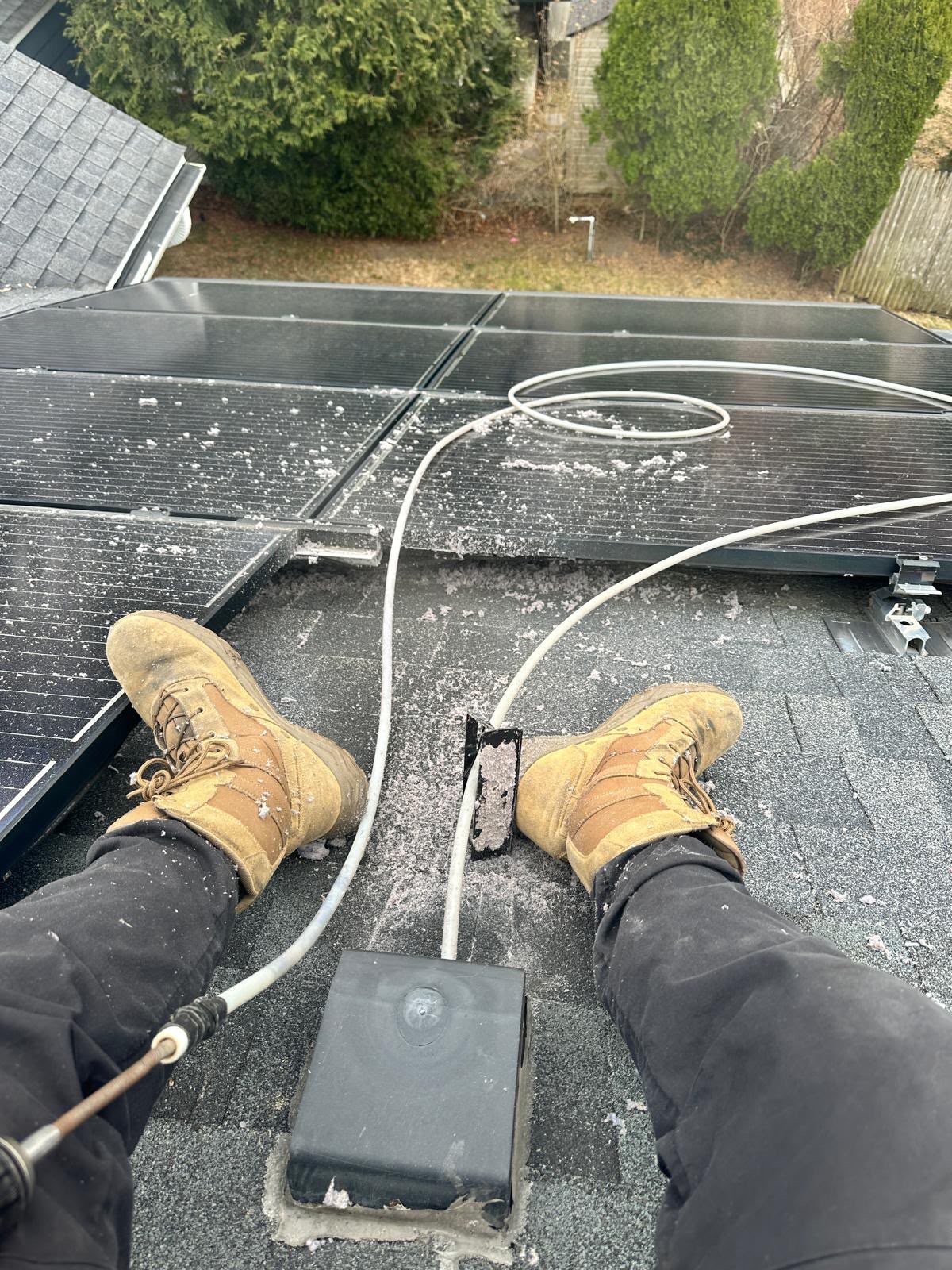
Most people think the dryer vent is the little screen they pull out after every load. That screen catches part of the lint - the rest travels through feet of duct on its way out of the house, and a lot of it never makes it. In a Fort Pierce home where the laundry room sits on the far side of the house from the outside wall, or where the vent climbs through the attic to a rooftop cap, that lint has a long way to go.
Lint is highly flammable, and a clogged dryer vent is one of the most common causes of house fires in Florida. Fort Pierce adds its own risk factors: older housing stock downtown, long vent runs through mid-century attics, and humid coastal air that makes lint cling. This guide covers the warning signs, why Fort Pierce vents clog faster than you would expect, and how often yours needs cleaning.
Why Fort Pierce Dryer Vents Clog Faster
Vent problems are usually about the design of the run and the air around it, not how much laundry you do.
- Long runs through attics and walls. Many Fort Pierce homes route the vent from an interior laundry room up through the attic and out a rooftop cap. Every foot of run and every bend slows the airflow and gives lint a place to settle.
- Humid coastal air. The Treasure Coast stays humid most of the year. Lint that would stay dry and blow out in a drier climate sticks to the inside of the pipe instead, building up layer by layer.
- Older housing stock. Downtown Fort Pierce and the mid-century neighborhoods have homes with original or patched-together vent runs - crushed flexible duct, screws at the joints that snag lint, and runs longer than modern guidelines allow.
- Caps that clog or stick. The exterior cap can be blocked by lint, a bird nest or storm debris, turning the whole run into a dead end.
Warning Signs Your Dryer Vent Needs Cleaning
A clogged vent rarely announces itself. These are the signs Fort Pierce homeowners should watch for:
- Clothes take two or more cycles to dry. The most common sign - and the one most people blame on the dryer instead of the vent.
- The dryer or the laundry room gets unusually hot. Heat that cannot escape the vent has nowhere to go.
- A burning or musty smell during a cycle. This is a serious warning, not a minor annoyance.
- The outside vent flap barely moves when the dryer runs, or lint is visible around the cap.
- The lint trap fills quickly with fine debris or the inside of the dryer drum feels damp.
If you notice a burning smell, stop using the dryer and have the vent checked before running it again.
How Often Should You Clean a Dryer Vent in Fort Pierce?
Once a year is the right rhythm for most Fort Pierce homes - and more often with a long rooftop run, pets in the house, or heavy laundry use. An annual cleaning does three things: it clears the lint, it confirms the run is intact and properly connected, and it verifies the exterior cap is clear.
Cleaning the lint trap after every load is still essential, but it is not a substitute for cleaning the vent itself. The trap only catches part of the lint; the rest is already on its way into the pipe.
What a Professional Dryer Vent Cleaning Involves
A proper cleaning is not just a vacuum at the wall. Our Fort Pierce technicians:
- Disconnect the dryer and inspect the connection and the run.
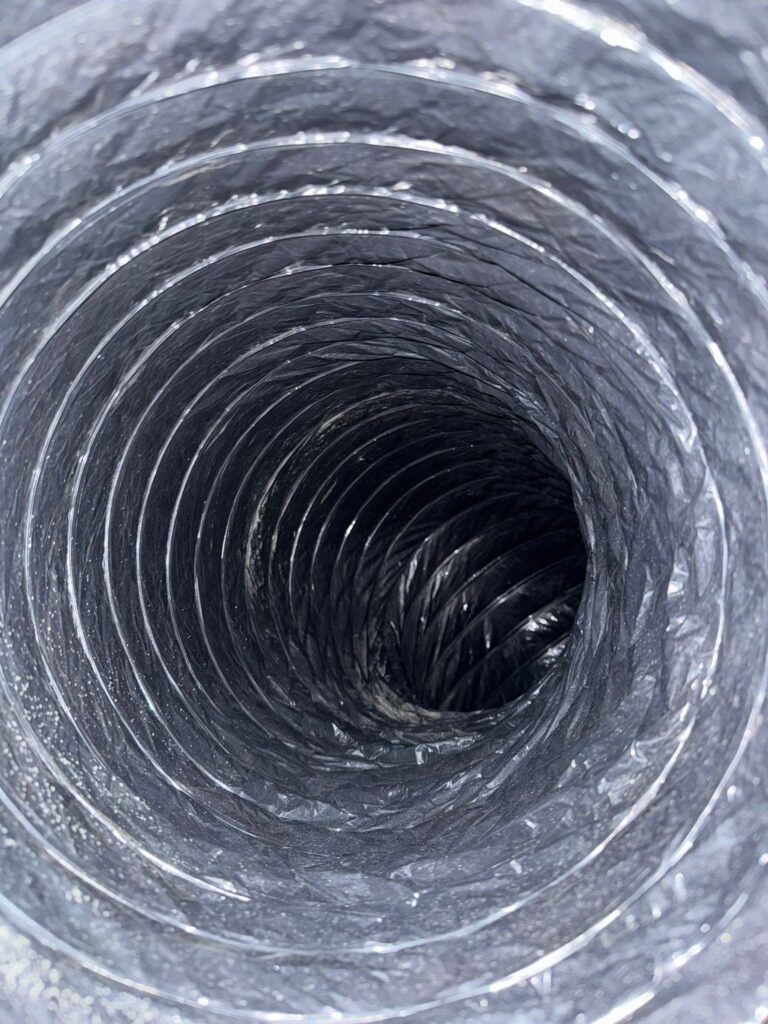
- Clear the full length of the vent with high-speed rotary brushes and a containment vacuum, working from both ends where needed.
- Check for crushed, disconnected or improperly installed duct - a common cause of hidden clogs in older homes.
- Clear and test the exterior cap so air actually exits the home.
- Confirm airflow once the run is clear, so you can see the difference.
The Cost of Skipping It
A clogged vent costs more than a cleaning in two ways. The first is energy: a dryer fighting a clogged vent runs longer on every load, which shows up on the power bill month after month. The second is fire. Lint ignites easily, and a vent fire that starts inside a wall or attic run can spread before anyone notices - especially in the older downtown neighborhoods where homes sit close together. A routine annual cleaning is inexpensive compared to either risk.
Frequently Asked Questions
1. How often should a dryer vent be cleaned in Fort Pierce?
Once a year for most homes. Clean more often if your vent runs up through the attic to a rooftop cap, if you have pets, or if you do a lot of laundry. Long runs clog faster than short ones.
2. What are the signs of a clogged dryer vent?
Clothes taking two or more cycles to dry, a dryer or laundry room that gets unusually hot, a burning or musty smell, and an exterior vent flap that barely moves. A burning smell means stop using the dryer until the vent is checked.
3. Why is a rooftop dryer vent run a bigger fire risk?
The longer the run and the more bends it has, the more lint it traps and the more the airflow slows. Many Fort Pierce homes vent through the attic to a roof cap, which makes annual cleaning more important, not less.
4. How much does dryer vent cleaning cost in Fort Pierce?
It is one of the lower-cost services we offer, priced on the length and accessibility of the run. We give a clear, upfront number before any work begins - call (772) 212-0985 for a free quote.
Book Your Fort Pierce Dryer Vent Cleaning
Our insured team cleans dryer vents, air ducts and chimneys across Fort Pierce, Port Saint Lucie and all of Saint Lucie County. Protect your home, cut your energy use, and stop worrying about the vent you cannot see. We are open Sunday through Friday, 24 hours a day, and closed Saturdays.
Call us at (772) 212-0985 for a free, no-obligation quote, or send a request through the site and we will get you scheduled fast. You can see every community we serve on our Saint Lucie County service areas page.