Indian River County does not get much cold weather, but it gets enough. A handful of genuinely cool evenings between November and February are all it takes for fireplaces across Vero Beach, Sebastian and the barrier island communities to finally get used - often for the first time in ten months, and often without anyone having looked at the chimney since the winter before.
That gap is the whole problem. A chimney that sits unused through a hot, humid Florida summer does not stay in the condition you left it. Rain gets in. Debris falls in. Animals find it. And the creosote left from last season is still coating the flue, waiting for the next fire. This guide covers why chimneys here deteriorate the way they do, the warning signs that yours needs attention before you light anything, what a professional cleaning and inspection involves, and how to time it so you are ready before the first cool night.
Why a Florida Chimney Deteriorates Sitting Still
Most chimney advice is written for cold climates where a fireplace burns for six months straight. Indian River County is the opposite situation, and the risks are different.
- Creosote does not go anywhere. Creosote is the flammable byproduct of wood combustion, and it coats the inside of the flue a little more with every fire. It does not evaporate during the off-season. It sits there, glazed onto the liner, until it is physically removed or until it catches.
- A humid summer is hard on masonry. The hot, wet months push moisture into brickwork and mortar. Masonry that stays damp expands and contracts through the season, and small cracks in the flue liner or crown tend to get bigger rather than heal.
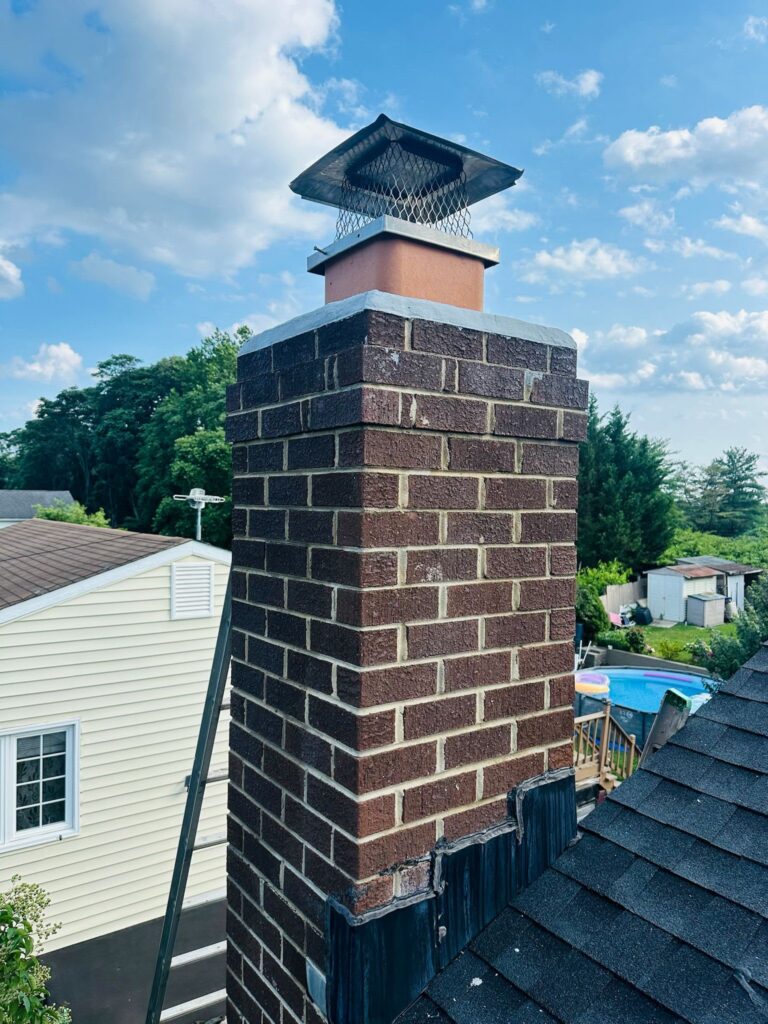
- Debris and animals move in. An uncapped or damaged chimney is an open vertical pipe on your roof. Leaves, twigs, roof grit and, quite often, birds and small mammals end up inside. A nest is a genuine blockage - and a blocked flue pushes smoke and carbon monoxide back into the house instead of up and out.
- The first fire of the season is the risky one. After months of no draft, the flue is cold and often partially obstructed, and creosote that has been sitting and drying all summer is at its most combustible. The majority of chimney problems surface on that first cold evening.
- Salt air on the island. Homes in Indian River Shores and on the barrier island add airborne salt to the equation, which accelerates corrosion on caps, dampers and metal flue components.
None of this means a chimney here needs constant attention. It means it needs attention at the right time - and the right time is now, before the season starts rather than in the middle of it.
The Warning Signs to Check Before You Light a Fire
Some of these you can check yourself this week. Others require getting on the roof, which is a job for someone insured to be up there.
- A smoky smell in the room when the fireplace is not in use. That is draft pulling air down the chimney instead of up it, often because of a blockage or a failing cap.
- Smoke rolling back into the room when you do light a fire. This is the clearest sign the flue is obstructed, and it is not something to work around.
- Visible creosote. A black, tar-like or flaky residue on the damper or the firebox walls means the same thing is coating the flue above it.
- A strong, acrid, campfire smell even with no fire lit, which usually means creosote buildup.
- Water in the firebox, or staining and crumbling mortar. Both point to a failed crown or cap letting rain in.
- A damper that will not open or close properly.
- Animal sounds or nesting material near the top of the chimney.
A carbon monoxide detector is worth having regardless, especially in a home with a wood-burning fireplace or a gas appliance venting through the same chimney.
What a Professional Cleaning and Inspection Involves
This is not a job to improvise with a ladder and a brush. A proper visit includes:
- A full flue sweep. Creosote is removed from the length of the flue with correctly sized brushes, and the debris is contained so it does not end up in your living room. A surface pass that only clears what is visible from the firebox is not a cleaning.
- A creosote stage assessment. Creosote comes in stages, from soft and flaky to hard and glazed. Glazed creosote is the dangerous kind and needs different treatment than a simple sweep - and you should be told which one you have.
- A flue liner inspection. The liner is what protects the house from the heat of the flue. Cracks, gaps and deterioration get identified, because a compromised liner is a fire risk regardless of how clean the chimney is.
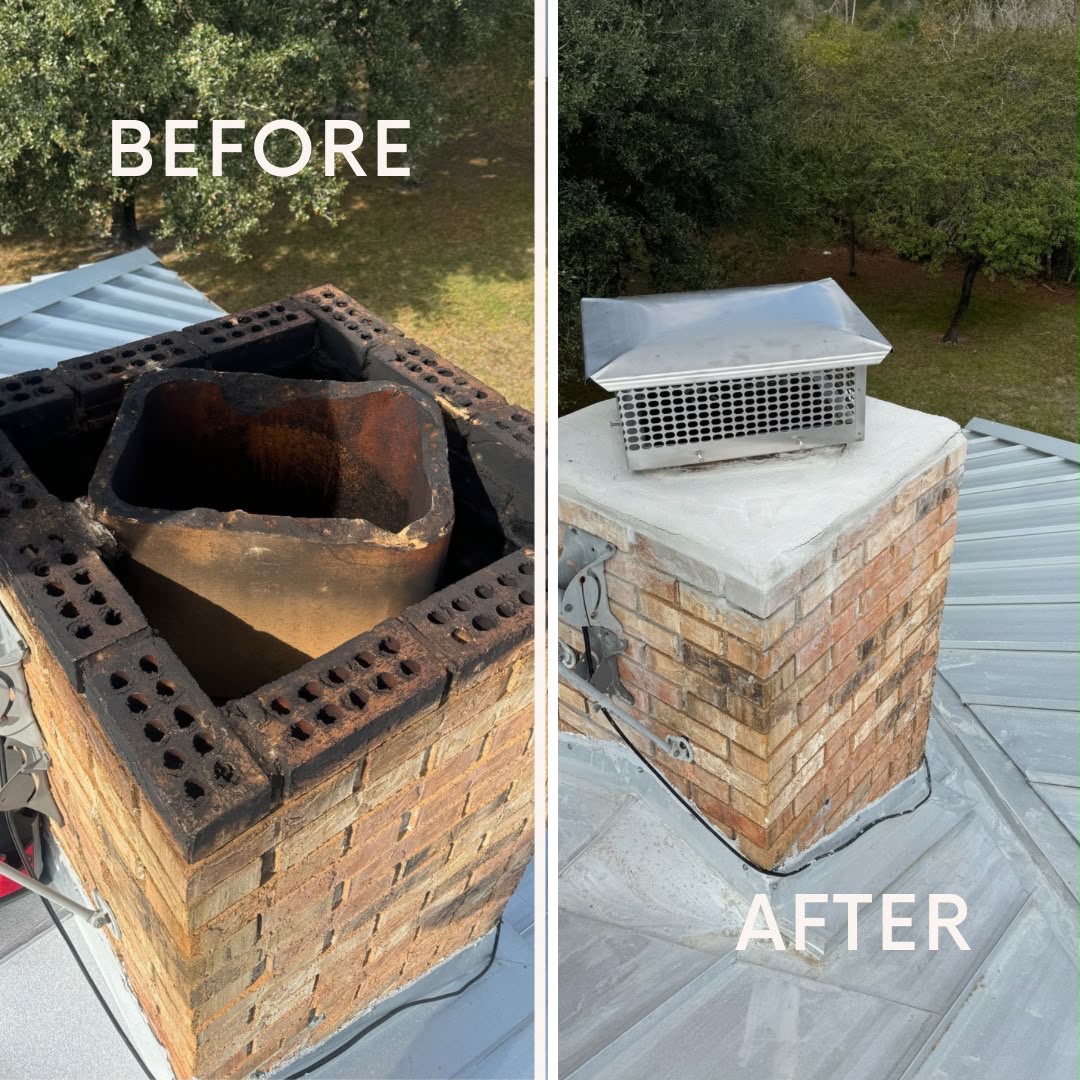
- Cap, crown and flashing check. The cap keeps rain and animals out; the crown sheds water away from the masonry; the flashing keeps water from getting in where the chimney meets the roof. Salt air and summer storms are hard on all three.
- Damper and firebox check. The damper has to seal and open correctly, and the firebox needs to be sound.
- An honest report with photos. You should see what was found and be told plainly whether the chimney is safe to use.
Why Fall Is the Right Time in Indian River County
There is a practical case for booking now rather than waiting for the first cold snap:
- The season has not started. Chimney work is quiet, low-drama and does not interfere with anything. Once the cool evenings arrive, you will want the fireplace ready, not scheduled.
- You find problems while you can still solve them. Discovering a cracked liner or a failed cap in November is much easier to handle than discovering it on the night you have guests.
- The calendar is open. Late October and early November are before the holiday rush, and scheduling gets harder from Thanksgiving onward.
- It pairs with the ductwork. If you are already thinking about indoor air before the holidays, the chimney belongs on the same list. A fireplace that backdrafts into a house does not just smell - it puts combustion byproducts into the air you are breathing.
If your air ducts have not been looked at either, our guide to how often air ducts should be cleaned in Florida covers the scheduling logic, the Vero Beach duct cleaning guide covers what a coastal job involves, and the Port Saint Lucie chimney guide walks through the same seasonal reasoning from the Treasure Coast side of the line.
Gas and Wood-Burning Fireplaces Are Both Worth Checking
A common assumption is that a gas fireplace does not need service because it does not produce creosote. It is true that gas produces far less of it, but a gas fireplace still vents - and that vent can be blocked, disconnected or deteriorated just like any other. A decorative gas log set that has never been inspected is not automatically safe.
Wood-burning fireplaces carry the full range of risks: creosote, liner damage, blockages and backdraft. If a home has a wood-burning fireplace that has not been swept since it was last used, that is the highest-priority job on the list.
One more local note: Indian River County has a mix of older homes with original masonry chimneys and newer construction with factory-built metal flue systems. The two need different inspection approaches, and both need the cap and termination checked - metal flues corrode faster in coastal salt air.
Why Sunshine Duct Cleaning
We are an insured, professional crew that cleans chimneys along with air ducts and dryer vents across Indian River County. Every technician is background-checked and trained, and we show you photos of what we find so you can make a decision based on your actual chimney rather than a sales pitch. You can see every community we serve on our Indian River County service areas page, or follow our work on Facebook.
Frequently Asked Questions
1. How often should a chimney be cleaned in Indian River County?
Most fireplaces should be swept and inspected once a year, and the annual inspection matters even in a year with light use. Florida chimneys also collect debris, moisture and animal nests during the long off-season, so skipping a year leaves real problems unaddressed.
2. My fireplace sits unused most of the year. Does the chimney still need cleaning?
Yes, and the off-season is exactly why. Creosote left from last season stays on the flue all summer, masonry absorbs months of humid air, and an uncapped chimney collects leaves and nests. Problems accumulate fastest when the chimney is not being used.
3. What are the warning signs of a clogged or unsafe chimney?
The clearest signs are smoke rolling back into the room, a smoky smell when no fire is lit, visible black or flaky creosote, water or staining in the firebox, crumbling mortar, a damper that will not move, and animal sounds or nesting material near the top.
4. Does a gas fireplace need chimney service?
Yes. Gas produces far less creosote than wood, but the vent can still be blocked, disconnected or deteriorated, and a decorative gas log set should not be assumed safe just because it is gas. The vent and termination still need inspection.
5. When is the best time to schedule chimney cleaning here?
Late October through early November is ideal. The weather is comfortable, scheduling is open before the holiday rush, and the chimney is ready well before the first cool evening. Problems found now are far easier to resolve than problems found mid-season.
6. Do you serve Vero Beach, Sebastian and the barrier island?
Yes. We serve all of Indian River County, including Vero Beach, Sebastian, Vero Beach South, Fellsmere, Indian River Shores and Orchid. Salt air near the coast makes cap and metal flue inspection especially important.
7. Can you clean the chimney and the air ducts in the same visit?
Yes, and fall is a sensible time to do both. If you are already preparing the house for the cooler months and holiday hosting, scheduling the chimney, ducts and dryer vent together saves a second appointment later.
Call Sunshine Duct Cleaning at (772) 404-3553 to schedule chimney cleaning anywhere in Vero Beach, Sebastian and Indian River County. Our hours are Open Sunday-Friday 24 hours, Closed Saturdays, and we are glad to give you an honest assessment before you commit to anything.