
If you live in Brandon, you know the feeling: one minute the air is clear, and the next your sinuses remind you that the trees are doing their thing again. During the peak stretches of pollen season, it can seem like there’s no escape — even with the windows closed and the house buttoned up. There are real, local reasons for that, and they go deeper than the pollen you can see on your car.
Brandon's Pollen Seasons: A Local Reality
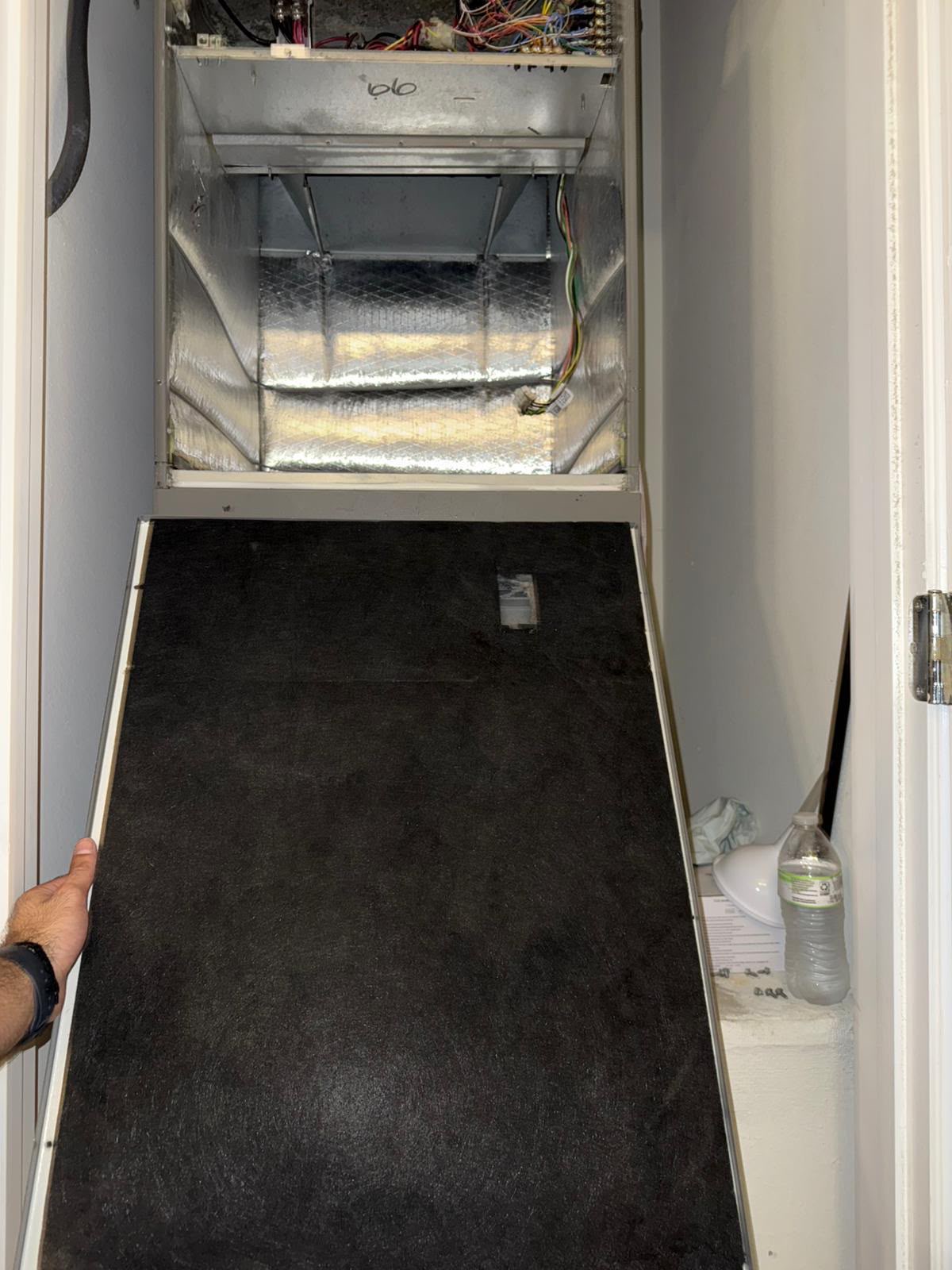
Brandon sits inland in Hillsborough County, and its neighborhoods — Bloomingdale, River Hills, Providence Lakes, and the older streets near downtown Brandon — are lined with live oaks, pines, and the kind of landscaping that makes the area green and shady. It’s lovely for most of the year. But when those trees release pollen, usually through the spring and again during grass and weed season in late summer and fall, the air gets heavy with it.
Add in Florida’s humidity and a near-constant air conditioning season from roughly May through October, and your home ends up sealed shut while the system cycles air through every room. That combination is exactly how pollen finds its way inside and lingers — even in a house you keep spotless.
How Pollen Finds Its Way Inside
Pollen gets into your home a few ways. Some of it rides in on clothes, hair, and pets after you’ve been outside — working in the yard along Providence Road or walking the dog around Bloomingdale will bring pollen in with you. Some drifts in through small gaps around windows and doors. And a surprising amount comes through the very system meant to keep you comfortable: your air conditioning.
Here’s the part most people don’t think about. When your A/C runs, the blower pulls air through your ductwork and pushes it out through the vents in each room. Over time, that ductwork collects a fine layer of dust, pet hair, and yes — pollen — on its interior walls. Every time the system cycles, a little of that material gets stirred up and blown back into your living space. In a Brandon home with a long cooling season and heavy pollen months, that cycle adds up fast. The congestion you feel during pollen season may be coming, in part, from inside your own ducts.
The Duct Connection
Your ducts are effectively the lungs of your home. If they’ve collected pollen and debris over the years, every cooling cycle redistributes some of it into every room. That’s why two homes on the same street can feel so different — the one with clean ducts simply has less material circulating.
This is also where a plug-in air purifier can fall short of expectations. A purifier traps airborne particles in the single room where it sits. It’s a genuinely helpful tool, especially in a bedroom or home office. But it can’t reach into the ductwork that feeds your vents. So if you’re thinking about picking up an air purifier at the Home Depot off Providence Road or at Target over at Westfield Brandon, it’s worth asking a different question first: what’s actually cycling through your ducts every time the blower runs? For many Brandon homeowners, cleaning the source does more than adding another filtered device.
What Actually Helps During Pollen Season
There’s no single magic fix, but there’s a sensible order of operations. Start with the basics: change your HVAC filter on a regular schedule — a clean filter captures a lot more pollen before it circulates — and keep your vents clear of furniture and rugs so air can flow freely. If you can, wipe down the vents and change the filter before the heaviest pollen stretches begin.
Beyond that, it’s worth knowing what’s actually inside your ductwork before you spend money on appliances or filtration gadgets. If it’s been a few years since your vents were professionally cleaned, or if you’ve recently moved into an older Brandon home — a mid-century place around Bloomingdale, maybe, or a fixer near the Providence Lakes area — an inspection can tell you a lot. You may be surprised how much pollen and debris has settled in even a home you keep spotless. From there you can decide whether a purifier makes sense as a complement, or whether cleaning the source is the real answer.
A Simple Takeaway
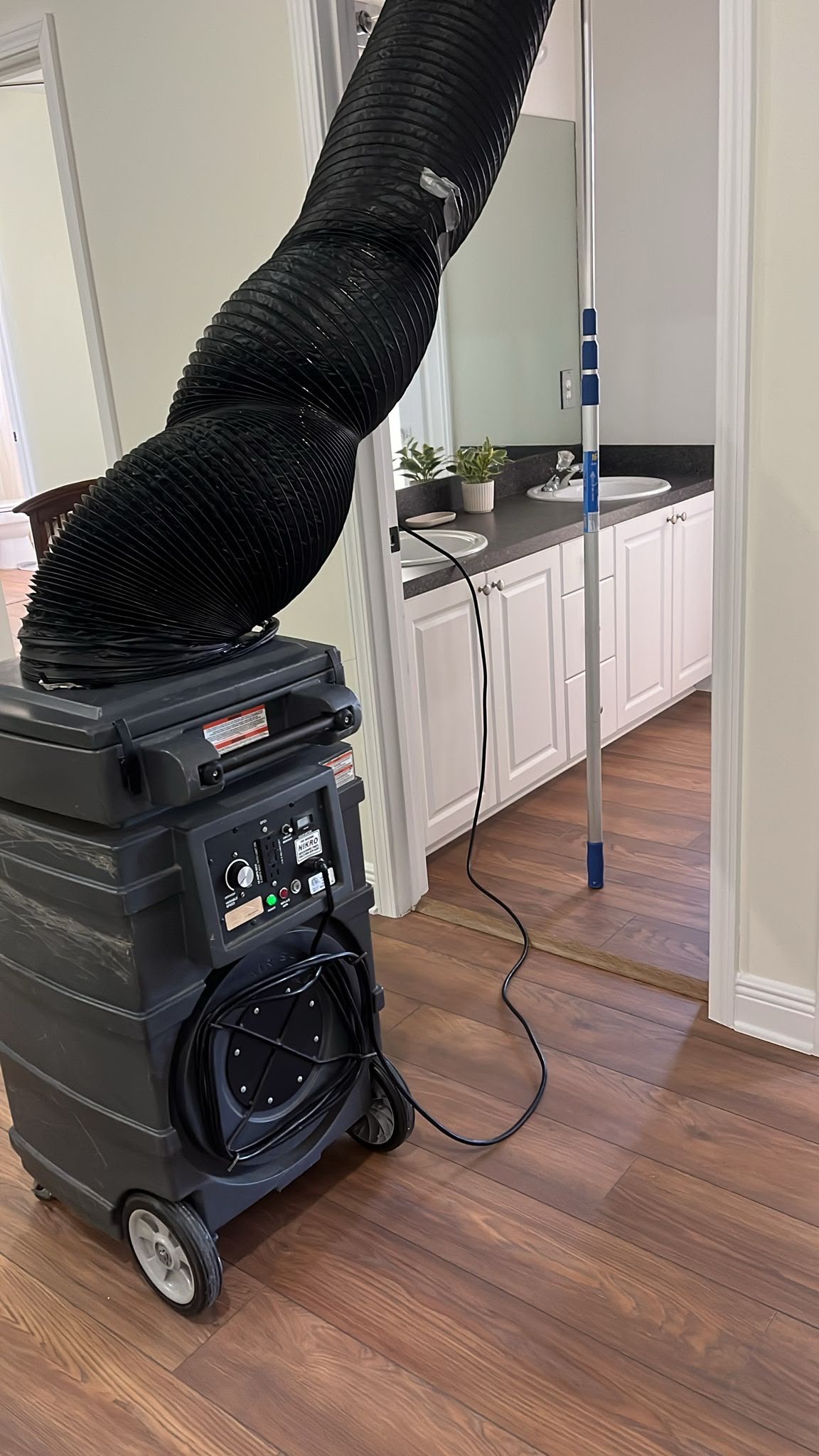
The short version: Brandon’s oak, pine, and grass pollen, combined with the humidity and a long air conditioning season, means pollen gets inside your home and settles where you can’t easily see it — inside your ductwork. An air purifier can help with airborne particles in a single room, but it can’t clean the source. If pollen season seems to make your home feel stuffy no matter what you do, checking the condition of your ducts is a reasonable, low-pressure first step, and one you can act on before the next big pollen stretch arrives.
Frequently Asked Questions
1. When is pollen season in Brandon, Florida?
Brandon’s heaviest pollen stretches run through the spring, when oak and pine trees release pollen, and again in the late summer and fall with grass and weed pollen. The exact timing shifts a little each year with the weather.
2. Can air duct cleaning help with indoor pollen?
Yes. Pollen and other particles can settle inside your ductwork and get blown back into your rooms every time the system runs. Cleaning the ducts removes that built-up material at the source.
3. Does an air purifier stop pollen in a Brandon home?
An air purifier can help trap airborne pollen in the room where it sits, but it can’t reach pollen that has already settled inside your ducts. It works best as a complement to a clean duct system.
4. How often should I clean my air ducts in Brandon?
For most Brandon homes, every 3 to 5 years is a sensible baseline. If pollen season bothers you, you have pets, or you’ve recently renovated, an inspection sooner is worth it.