
What an Air Purifier Actually Does (and What It Doesn't)
Let’s start with what a purifier genuinely does well. Most models pull air through a filter and trap fine particles like dust, pollen, pet dander, and smoke. That’s real and measurable — in a single room, a quality HEPA purifier can noticeably reduce airborne particulates. If your biggest concern is seasonal allergies or lingering cooking odors, a purifier can make a tangible difference in the space where it sits.
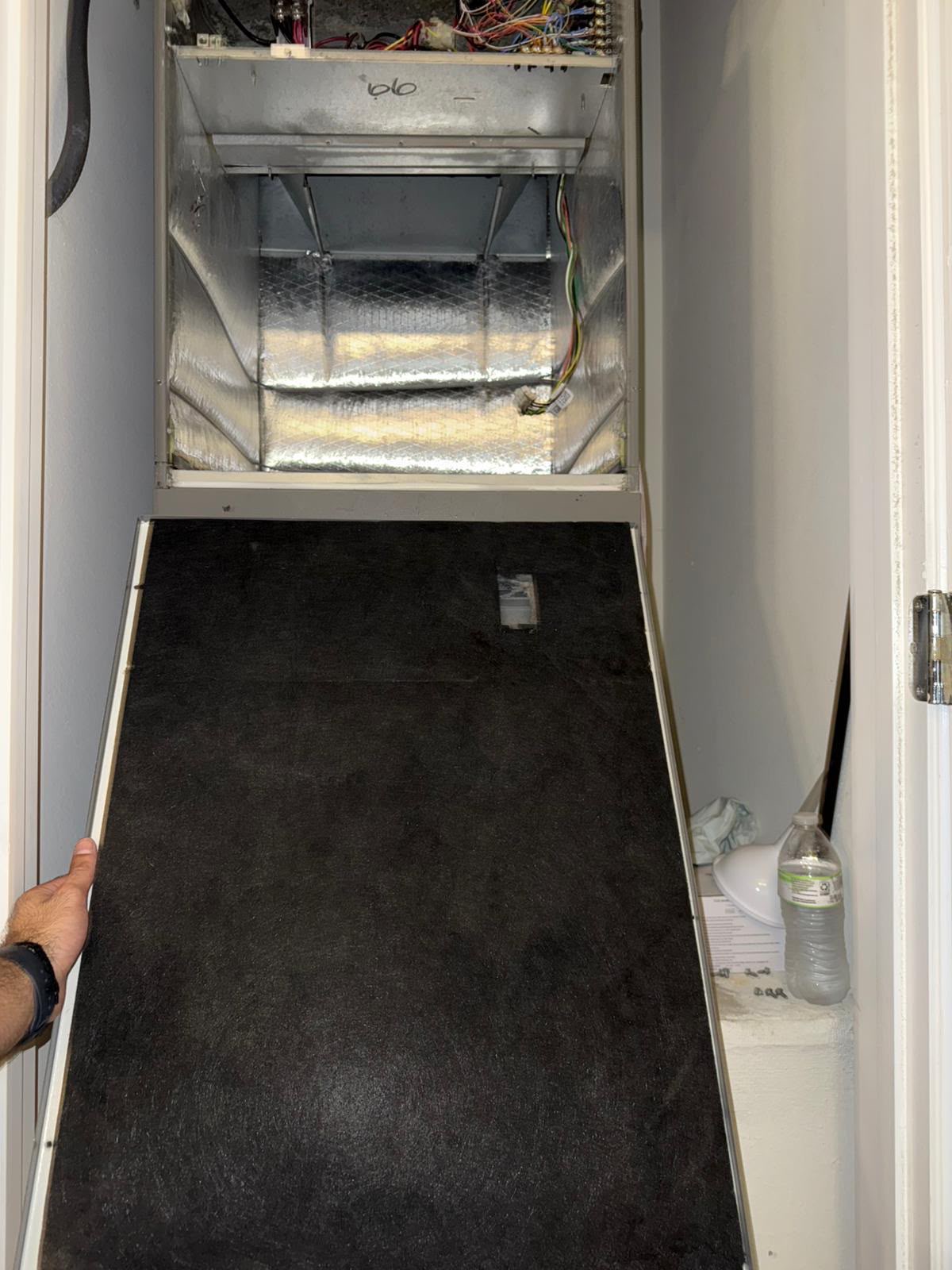
But here’s the catch that rarely makes it onto the box. An air purifier only cleans the air that reaches it. It has no way to reach into the ductwork that runs behind your drywall and through your attic. When your air conditioner turns on and the blower kicks in, it pushes air through your vents — and if those ducts have years of accumulated dust, dander, and debris lining their walls, that material gets stirred up and distributed through every room. The purifier keeps filtering the same cycle of air, but it never touches the source of the problem that lives inside your duct system.
Air Duct Cleaning: The Part of Your Home You Rarely See
Your home’s ductwork is a system of channels that moves conditioned air from your HVAC unit to every room. Over time, that system collects more than you might expect — not just surface dust, but a fine film of allergens, pet hair, and in humid Tampa, the kind of moisture that can invite microbial growth in dark, rarely-seen corners. When you clean the ducts, you’re removing the material that otherwise gets recirculated into your living space every time the system runs.
Whether you’re in a waterfront bungalow in South Tampa, a newer build out near Westchase, or a ranch-style home in New Tampa, the physics are the same: the air you breathe upstairs was just pulled through that ductwork. Professional duct cleaning uses high-powered vacuum equipment and agitation tools to loosen and extract debris from deep inside the line. It’s thorough, and it addresses the part of your indoor air equation that a purifier simply can’t reach. For a Tampa home, where air conditioning runs nearly year-round and windows stay shut for months at a stretch, the ducts are effectively the lungs of the house — and keeping them clear is foundational to indoor air quality in a way no plug-in device can match.
Why the Two Work Better Together in Tampa
Here’s the reality most people don’t hear. Air purifiers and duct cleaning aren’t competitors — they solve different halves of the same problem. A purifier is great at continuously filtering the air in the rooms where people spend their time. Duct cleaning addresses what the blower pushes out through your vents in the first place. If the ducts are dirty, a purifier is trying to catch a stream of air that’s being re-contaminated every cycle. If the ducts are clean, a purifier simply has less work to do.
Tampa’s climate makes this especially relevant. High humidity keeps dust and dander heavier and stickier, so debris accumulates in ducts more readily than it might in drier regions. Between the heavy oak and pine pollen that blankets neighborhoods like Seminole Heights each spring, the year-round AC load, and the tendency to keep windows closed from May through October, the average Tampa home throws a lot at its ventilation system. Addressing both the source — the ducts — and the day-to-day airborne particles — the purifier — gives you the most complete picture of indoor air quality.
How to Think About Your Home's Air Quality
There’s no single right answer for every home, but there’s a sensible way to approach it. Start with the basics: change your HVAC filter on a regular schedule, keep vents clear of furniture, and be mindful of anything that adds moisture indoors. From there, it’s worth knowing what’s actually in your ducts before you decide whether an air purifier — or duct cleaning — is the right next step.
If it’s been a few years since your vents were professionally cleaned, or if you’ve recently moved into an older Tampa home — a historic fixer in Hyde Park, maybe, or a mid-century place in Temple Terrace — an inspection can tell you a lot. Many homeowners are surprised to find how much debris has built up even when they keep a clean house. And if your priority is day-to-day allergy relief in a specific bedroom or living area, a purifier can complement a clean duct system beautifully. The key is understanding which layer of the problem you’re solving — and not assuming one gadget can do it all.
A Simple Takeaway
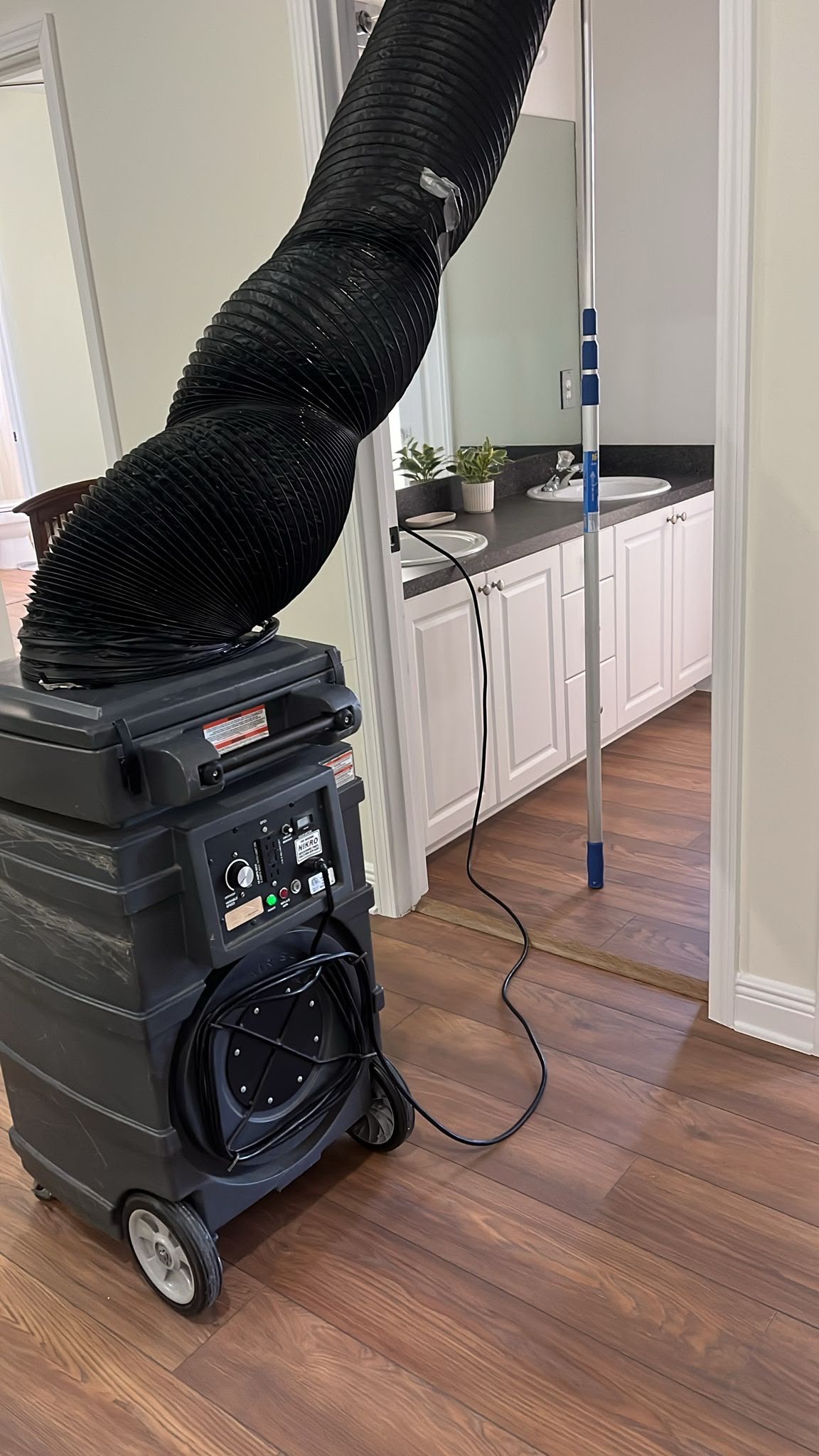
Here’s the short version. An air purifier is a helpful tool for filtering the air where you live and breathe — but it can’t reach into the ductwork that delivers that air in the first place. In a hot, humid, windows-closed climate like Tampa’s, keeping your ducts clear is the foundation of good indoor air quality, and a purifier becomes vastly more effective on top of that foundation. If you’re not sure what’s actually circulating through your home, an inspection of your duct system is a reasonable, low-pressure first step — before you spend money on any appliance that might be treating the symptom rather than the source.
Frequently Asked Questions
1. Do I need an air purifier if my ducts are clean?
Not necessarily. If your ducts are clear and your HVAC filter is maintained, many homes do fine without a separate unit. A purifier adds the most value when you want continuous filtration of airborne particles between deeper cleanings.
2. Can an air purifier replace air duct cleaning?
No. A purifier cleans air that passes through it, but it can’t remove dust and debris already settled inside your ductwork — material that gets recirculated every time your blower runs.
3. How often should I clean my air ducts in Tampa?
For most Tampa homes, every 3 to 5 years is a sensible baseline. High humidity, pets, or recent renovation work may mean an inspection sooner.
4. Is an air purifier worth it in a humid climate?
It can help with airborne particles and odors, but it won’t address moisture or microbial growth inside ducts. Managing humidity and keeping ducts clean are separate, equally important steps.