If your home has a musty smell that won’t go away, or you’ve spotted dark, fuzzy growth inside your vents, air duct sanitizing might be the fix you’re looking for. While a standard duct cleaning removes the dust and debris, sanitizing goes a step further — treating the surfaces inside your ductwork and HVAC equipment to neutralize mold, mildew, bacteria, and the odors they cause. In this post, the team at Sunshine Duct Cleaning walks you through what air duct sanitizing actually involves, in plain English, so you know exactly what to expect for your Hillsborough County home.
What Is Air Duct Sanitizing?
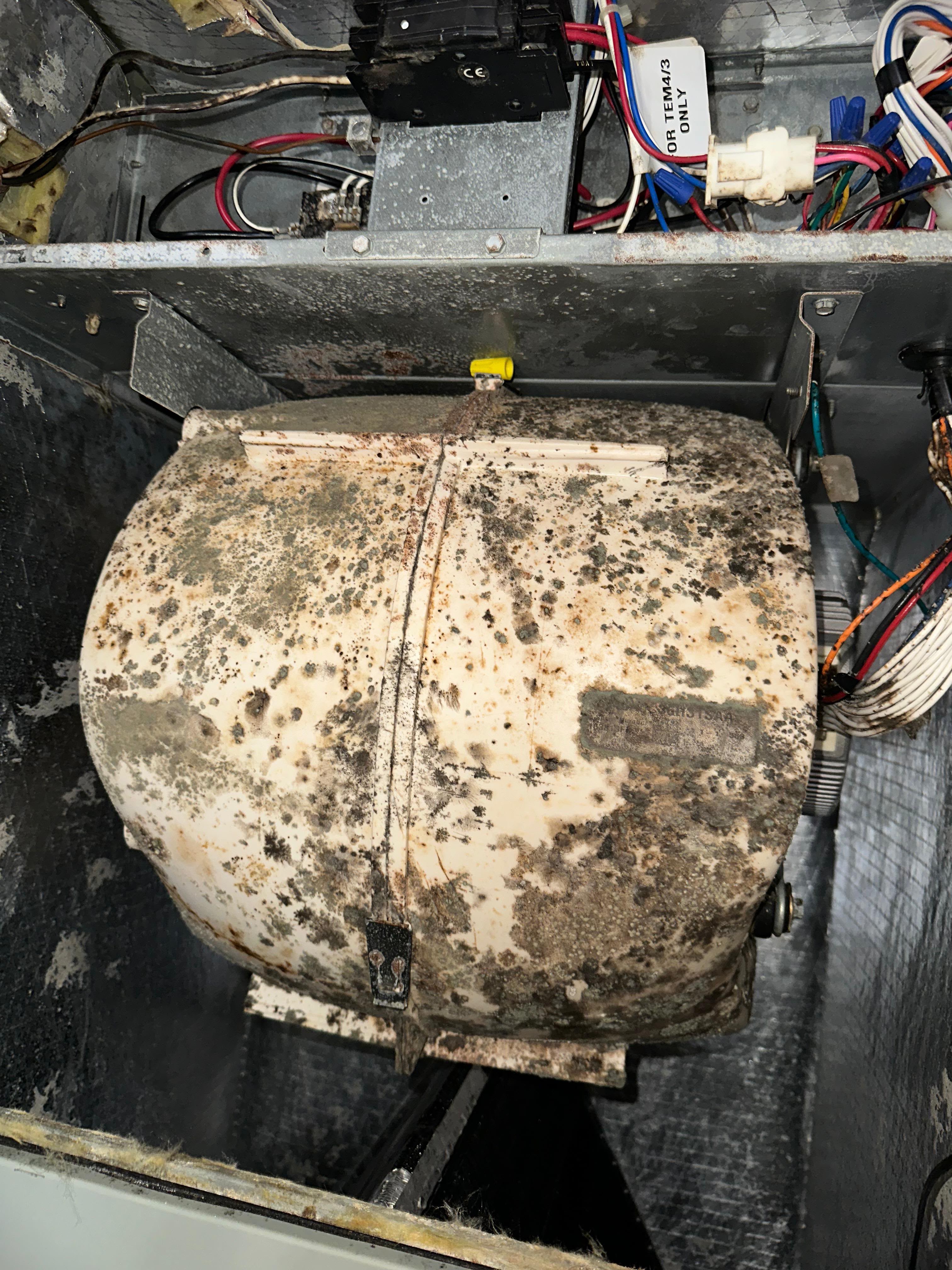
Here’s the short version: air duct sanitizing is a treatment applied to the interior of your ductwork and HVAC equipment to reduce microbial growth and keep the air that flows through your home fresh and clean. It’s most often done right after a thorough duct cleaning, because sanitizing works best on surfaces that have already been cleared of dust and debris.
Sanitizing tackles the things a regular cleaning can’t reach or fully address — mold spores, bacteria, and the musty odors that come from moisture collecting in a dark system. For many Tampa Bay homeowners, especially in our humid climate, cleaning plus sanitizing is the difference between ducts that are simply free of dust and ducts that are genuinely clean and fresh.
Step 1: Recognizing When Sanitizing Is Needed
Not every home needs sanitizing, but it’s worth considering when you notice certain signs. A persistent musty or sour odor coming from the vents is one of the most common clues — it often means moisture has collected inside the system and mold or mildew has taken hold. Dark spotting on registers or air handler components, visible mold on duct surfaces, or a home with a history of allergies and respiratory irritation are all reasons to have a technician look closer.
In Hillsborough County’s humid climate, damp ductwork and cooling coils are especially vulnerable. The good news is that a professional inspection can tell you quickly whether sanitizing is a smart addition to your cleaning, so you’re never paying for a treatment you don’t need.
Step 2: Cleaning Comes First
Sanitizing is not a shortcut around duct cleaning — it works best when the ducts are cleaned first. During the cleaning phase, we remove the years of dust, pet hair, and debris that have settled on the interior surfaces. That matters because a layer of grime can shield microbes from treatment and trap odors long after the sanitizer is applied.
Once the system is physically clean, the duct surfaces are dry and ready for the sanitizing treatment. Doing them together, in the right order, is what gives you lasting results and keeps mold and bacteria from quickly recolonizing the system.
Step 3: Applying the Sanitizing Treatment
With a clean, dry system, it’s time for the treatment itself. Depending on your system and the level of concern, we can use a professional-grade antimicrobial spray applied to the interior of the ductwork and the equipment surfaces, and/or a UV-C light unit installed inside the HVAC system.
Antimicrobial treatments are designed to neutralize mold, mildew, and odor-causing bacteria on contact and leave a residual layer that helps keep them from regrowing. UV-C light, meanwhile, continuously treats the coil and the air passing by, providing ongoing protection long after the technician has left. Both approaches are contained within the HVAC equipment, so the treatment does its job without being introduced into your living space.
A Simple Takeaway
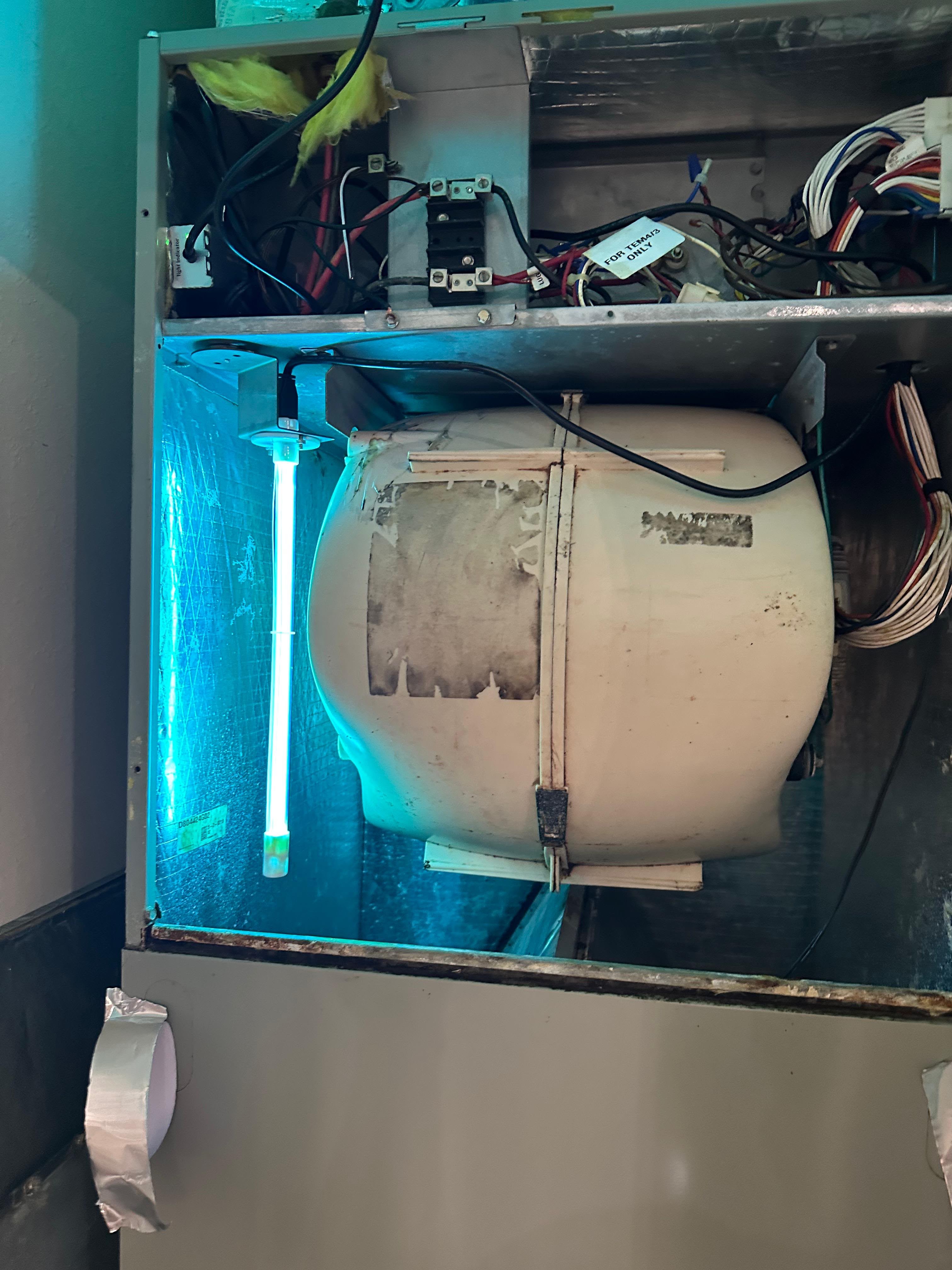
The bottom line: if your vents smell musty or you’re worried about mold and bacteria in your ductwork, air duct sanitizing is a valuable next step after a thorough cleaning. It targets what a vacuum alone can’t reach and helps keep your system fresh for longer — something that matters year-round in Florida’s humid climate.
If you’re in Hillsborough County and suspect your ducts need more than a standard cleaning, the team at Sunshine Duct Cleaning is happy to inspect your system, talk through your options, and recommend the right treatment for your home.
Frequently Asked Questions
1. What is air duct sanitizing?
Air duct sanitizing is a treatment applied to the interior of your ductwork and HVAC equipment to neutralize mold, bacteria, and odor-causing microbes after the ducts have been cleaned.
2. Is duct sanitizing the same as duct cleaning?
No. Cleaning physically removes dust and debris; sanitizing treats the surfaces to reduce microbial growth and odors. Many homes benefit from doing both together.
3. How often should ducts be sanitized?
Sanitizing is typically done alongside a duct cleaning every 3 to 5 years, or sooner if you notice musty odors, mold, or after water damage or renovation in your home.
4. Is UV light safe for air duct sanitizing?
Yes. Professional UV-C systems are installed inside the HVAC equipment where the light is contained, so it treats the coil and passing air without exposing your family directly to the light.