If your Port Saint Lucie home smells musty when the AC kicks on, or family members wake up congested more often than they used to, the humidity here may be the reason. This is one of the wettest, most humid parts of Florida, and that moisture does not stay outside. It gets pulled into your air conditioning system, and from there into your ductwork.
Air duct cleaning removes the dust, debris and buildup that collect inside the system. Air duct sanitizing goes a step further. It treats the surfaces inside the ductwork and air handler to knock down the mold, bacteria and odor that thrive when those surfaces stay damp. In a climate like ours, the two services work best together.
Why Port Saint Lucie Humidity Feeds Duct Problems
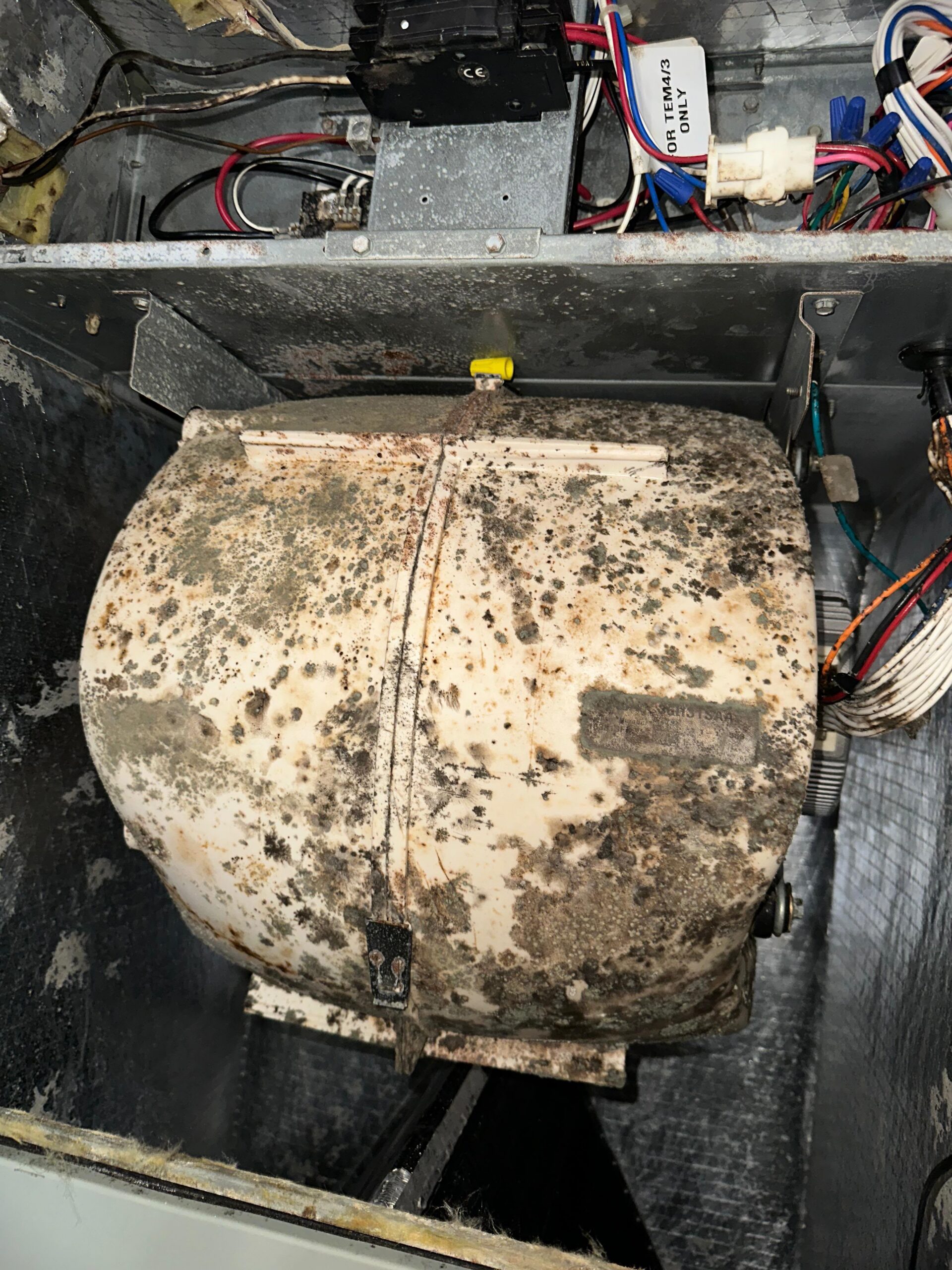
Most homes in drier climates deal with dust. Here, dust comes with moisture. Your air conditioner pulls gallons of water out of the air every day, and some of that dampness settles on the cooler surfaces inside the system. Dust that lands on a wet surface does not just sit there, it clings, and it becomes food for mold spores and bacteria that are always present in Florida air.
That is why two homes can have similar dust levels but only one has a musty smell. The difference is moisture, and in Port Saint Lucie, moisture is almost always in the equation, especially during the rainy season from May through October.
Signs Your Ducts Need Sanitizing, Not Just Cleaning
Cleaning removes debris. Sanitizing addresses what grew on it. Look for these signals that you need both:
- A musty, earthy or gym-sock smell when the system runs. That odor is microbial growth, not ordinary dust.
- Allergy or asthma symptoms that flare indoors and ease when you are away from home.
- Visible dark spotting or staining around vent covers, registers or the air handler cabinet.
- Recent water intrusion, a leaking pan, or a system that has been off and damp for a while.
- A home that has sat empty during the humid season, which lets moisture and growth build with no airflow.
How Professional Air Duct Sanitizing Works
A proper sanitizing job happens after the ducts are cleaned, never before. There is no point treating a surface that is still coated in dust. The process, in order:
- Full cleaning first. The ducts, registers, returns and air handler are cleaned with a push-pull method, using high-pressure air to loosen debris and a commercial HEPA vacuum to pull it out of the system.
- Surface sanitizing. An EPA-registered sanitizing product is applied to the interior surfaces of the ductwork and the air handler. It is applied as a fine mist so it reaches the walls of the duct, not just the openings.
- Air handler and coil treatment. The coil and drain pan are where moisture and growth concentrate. They get treated as part of the job, because a clean duct connected to a dirty air handler will not stay clean.
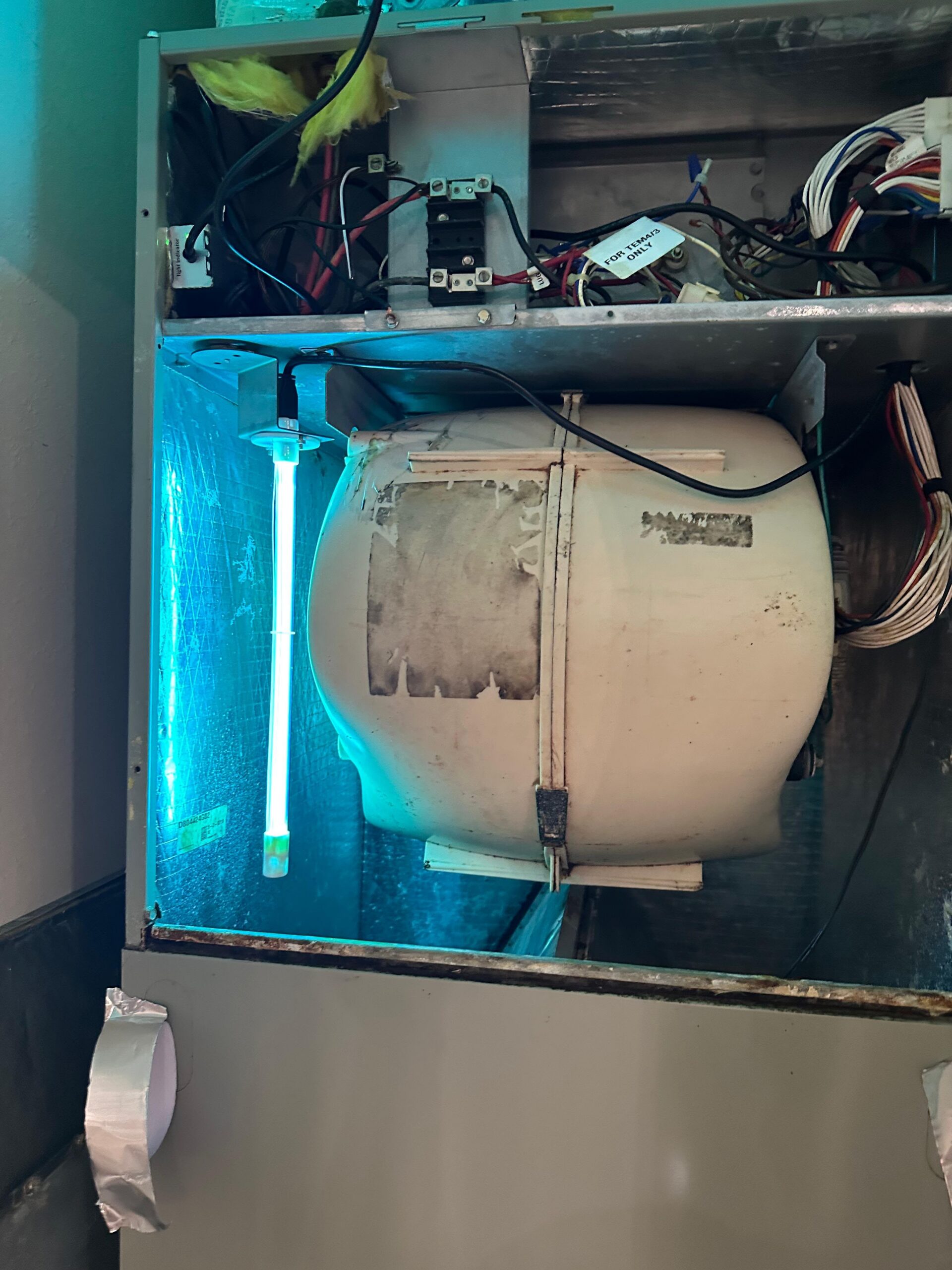
- Optional UV-C protection. A UV-C light installed at the coil and air handler keeps treating the air and damp surfaces between visits, which is a real advantage in a climate that stays humid year-round.
The goal is not to perfume the air or mask an odor. It is to remove the buildup and treat the surfaces so growth does not return the moment the system gets damp again.
Cleaning vs. Sanitizing: Which Do You Need?
- Cleaning alone is the right call if your ducts have dust and debris but no odor, no moisture history and no allergy complaints.
- Cleaning plus sanitizing is the right call if there is a musty smell, visible growth, a water event, or allergy symptoms that improve away from the house.
- Sanitizing without cleaning is not a real service. Any company that offers to mist your ducts without first cleaning them is treating a dirty surface and charging you for it.
If you are not sure which you need, a free inspection answers it. We look inside the ductwork and the air handler and tell you honestly whether cleaning alone is enough or whether the moisture here has already led to growth.
How to Reduce Moisture in Your Ductwork
Sanitizing addresses what is already there. These steps keep it from coming back:
- Keep the AC running and filters clean. A system that runs properly keeps air moving and surfaces drier. A clogged filter starves airflow and traps moisture.
- Fix leaks and drainage problems. A clogged condensate drain or a leaking pan keeps the air handler damp, which is exactly what mold needs.
- Watch indoor humidity. Aim to keep it under about 55 percent. A standalone dehumidifier helps in the muggy months.
- Address water damage fast. After any leak or storm intrusion, dry the area and check the system rather than waiting.
- Keep vents open and unobstructed. Blocked vents reduce airflow and let damp, stagnant air sit in parts of the duct system.
Frequently Asked Questions
1. What is the difference between air duct cleaning and air duct sanitizing?
Cleaning physically removes dust, debris and buildup from inside the ducts and air handler. Sanitizing applies an EPA-registered product to those surfaces to knock down mold, bacteria and odor. Sanitizing is done after cleaning, never on its own.
2. Does Port Saint Lucie humidity really cause duct mold?
Yes. The moisture your AC pulls from the air can leave duct and air handler surfaces damp, and dust that collects on a damp surface feeds mold and bacteria. That is why musty odors and indoor allergy symptoms are so common in this climate.
3. How often should I have my air ducts sanitized?
It depends on the home. If you have had a musty odor, water intrusion or visible growth, sanitizing should be done with your cleaning. Otherwise, most homes only need sanitizing when a problem appears. We assess it during a free inspection.
4. Is duct sanitizing safe for my family and pets?
When it is done by a trained professional using an EPA-registered product and allowed to dry properly, yes. We apply it as a fine mist after cleaning, and we explain the product and the dry time before we start.
5. Does sanitizing help with allergies and asthma?
It can help when the ducts are also cleaned and the moisture source is addressed. Remediation of the growth and buildup reduces what gets circulated through the rooms you live in. It is not a medical treatment, but many allergy sufferers notice a difference indoors.
If your home smells musty or your family struggles with indoor allergies, call (772) 212-0985 for a free quote. We serve Port Saint Lucie and all of Saint Lucie County, and we will tell you honestly whether cleaning, sanitizing or both is right for your home. Open Sunday through Friday, 24 hours, closed Saturdays.