
Port Saint Lucie is a renovation town right now. Between homes turning over, kitchens and baths getting updated, and the steady stream of new construction out west, a lot of local houses have had a crew inside them this year. What almost no homeowner thinks about while the work is happening is where all that dust goes - and the answer is that a meaningful share of it ends up inside the ductwork, where it keeps circulating long after the last truck pulls away.
Drywall dust is not ordinary house dust. It is fine, chalky and relentless, and it travels. This guide explains why a renovation loads up your ducts in Port Saint Lucie specifically, what to do about it, and how to sequence a cleaning so you are not doing it twice.
Why Renovation Dust Ends Up in Your Ducts
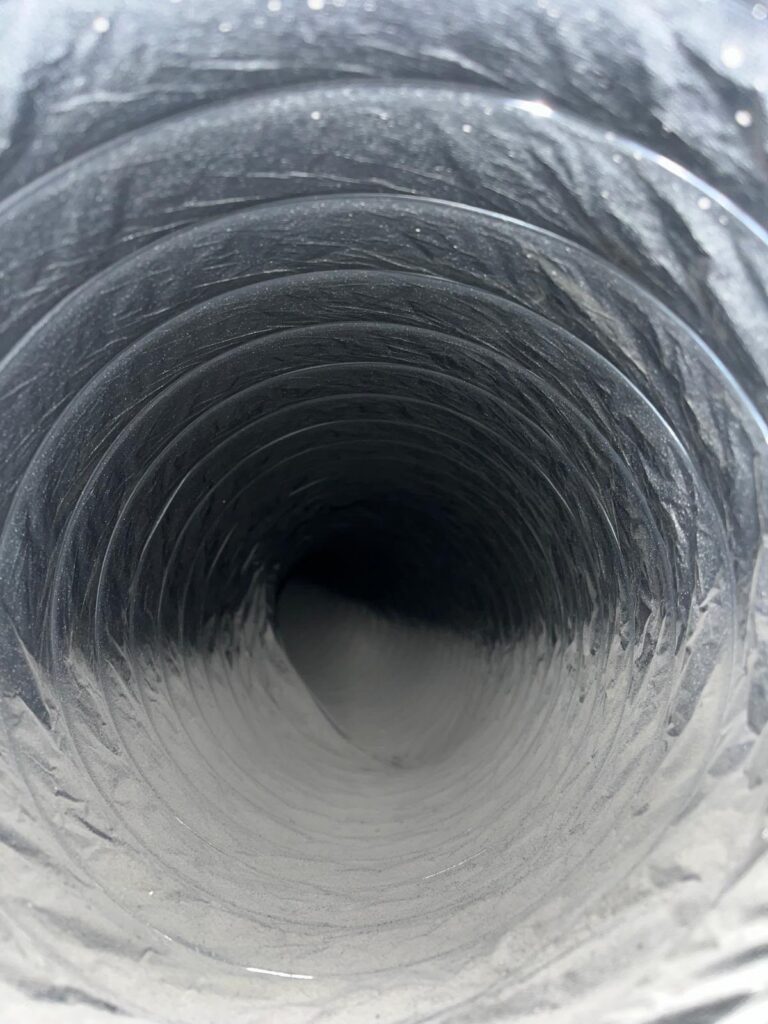
An HVAC system is a whole-home air mover, and it does not stop running because there is a crew in the house. Every cycle pulls air from each room back through the return grilles and into the ductwork. During a renovation, the air in those rooms is carrying something new: gypsum dust from drywall, fine silica from tile and stone cutting, sawdust from carpentry, and insulation fibers from anything opened up in the attic.
The filter catches some of it. It never catches all of it. Fine drywall dust is small enough to pass around a filter that is not seated perfectly, and the moment a return grille is left uncovered during the work, it becomes an open door. Once inside, that dust settles on the walls of the duct runs, in the plenum above the air handler, and on the blower wheel and coil - the places that are hardest to see and the last to get cleaned.
What Makes Port Saint Lucie Renovations Different
- Humidity turns dust into a coating. In a drier climate, renovation dust stays loose and much of it eventually moves through the system. Here, the air is humid much of the year, so fine dust lands on a slightly damp surface and clings. It builds in layers instead of moving along.
- Lots of occupied-home remodels. Many Port Saint Lucie renovations happen while the family still lives in the house, which means the system keeps running through the mess and the ductwork is loading up the whole time.
- Attic ductwork. Most homes here run ducts through a hot attic. Dust that settles up there bakes onto the interior of the run, and attic access to clean it properly takes the right equipment.
- New construction and punch-list work. Even in a new build, the finishing trades - drywall, paint, trim, flooring - are working with the system installed. Drywall sanding dust in a brand-new duct system is common, and it is exactly the kind of dust that lingers if it is never cleaned out.
- Texture and popcorn ceilings. Older Port Saint Lucie homes with textured ceilings or any ceiling repair produce an outsized amount of fine dust that settles everywhere, ducts included.
Signs Your Ducts Took on Renovation Dust
You do not have to guess. If you have had work done, watch for these signs:
- Dust on every surface, again, weeks after you cleaned. If furniture is dusty again a day or two after wiping it down, the system is redistributing what is already inside it.
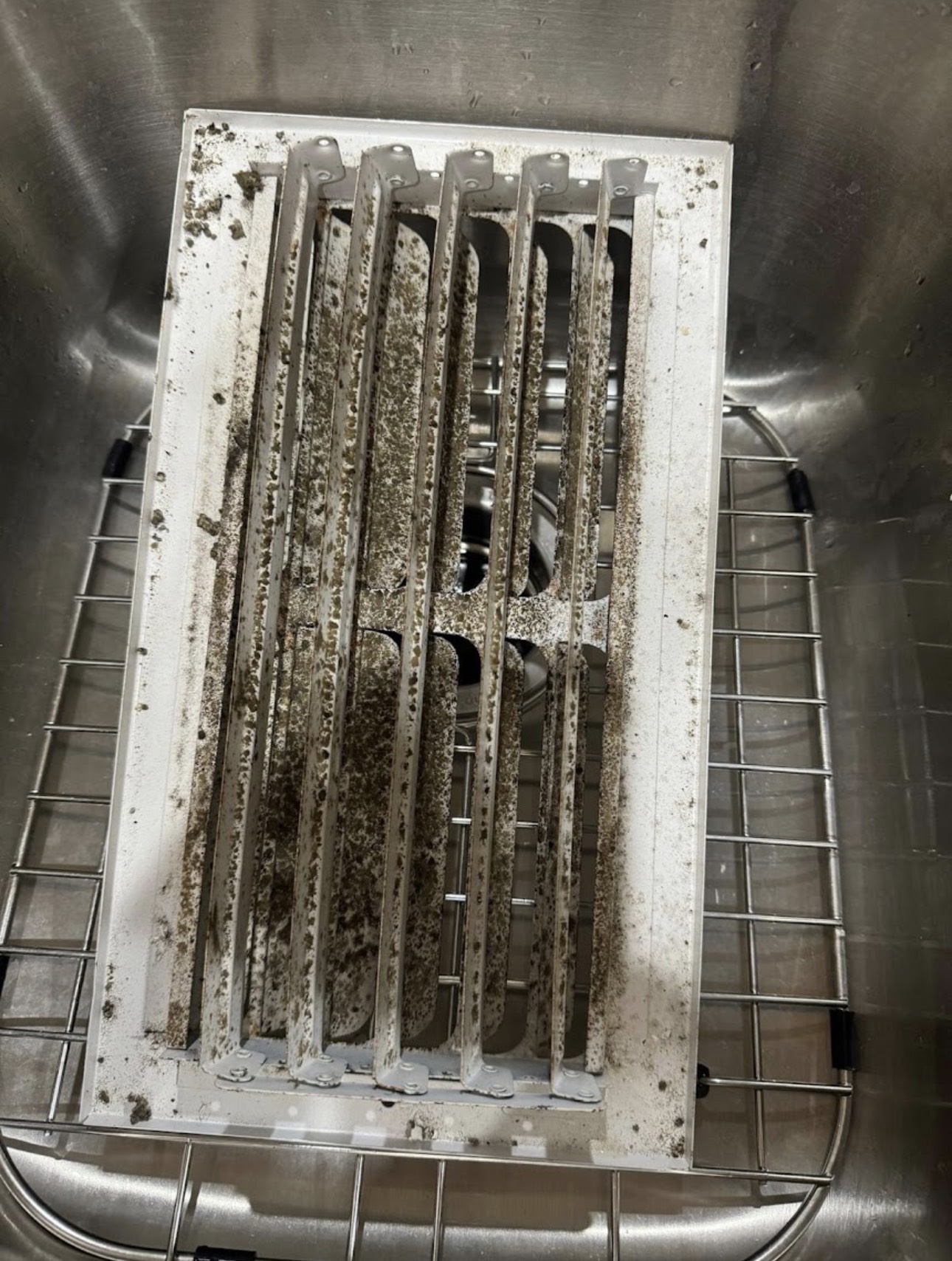
- A dry, chalky film near the vents. Drywall dust leaves a distinct white-gray residue around supply registers and on the grilles themselves.
- A dusty or stale smell when the AC kicks on. That is the system moving accumulated dust into the rooms.
- Allergy or sinus symptoms that flare indoors after the work, even for people who were fine before.
- Uneven airflow. Heavy buildup in a run, or a return that got blocked or crushed during the work, restricts airflow to parts of the house.
- A blower or system that sounds different. If the blower wheel is coated in dust, it can get out of balance and sound rougher than it did.
The Mistake of Cleaning Before the Work Is Actually Done
This is the single most common sequencing error, and it costs people money. If you have the ducts cleaned while the painting, trim, or flooring work is still ahead of you, the system simply reloads. Punch-list dust from the final trades lands right back in the runs you just paid to clean.
The right sequence for a Port Saint Lucie renovation:
- During the work, protect the system. Cover the return grilles and close off the work area as best you can. Change the filter more often than usual while the dusty trades are active.
- After the heavy dust is finished, and ideally after final painting and trim, have a temporary filter ready for the last stretch.
- Then clean the ducts - after the dust-producing work is complete, not before. This is the step that resets the system.
- Change the filter one final time once the ducts are clean, so the system is starting fresh.
If your contractor is wrapping up in stages, a cleaning after the drywall and sanding stage, followed by a lighter filter change at the end, is a reasonable alternative to waiting for the very last detail.
What a Proper Post-Renovation Cleaning Involves
Renovation dust settles in layers and concentrates in places a vent-only vacuum never reaches. A real cleaning works the whole system:
- Put the duct system under negative pressure with a HEPA-filtered collection unit, so loosened dust is captured and pulled out rather than blown into your freshly finished rooms.
- Clean every supply and return run with high-pressure air whips and rotary brushes, reaching the walls of the duct, not just the openings.
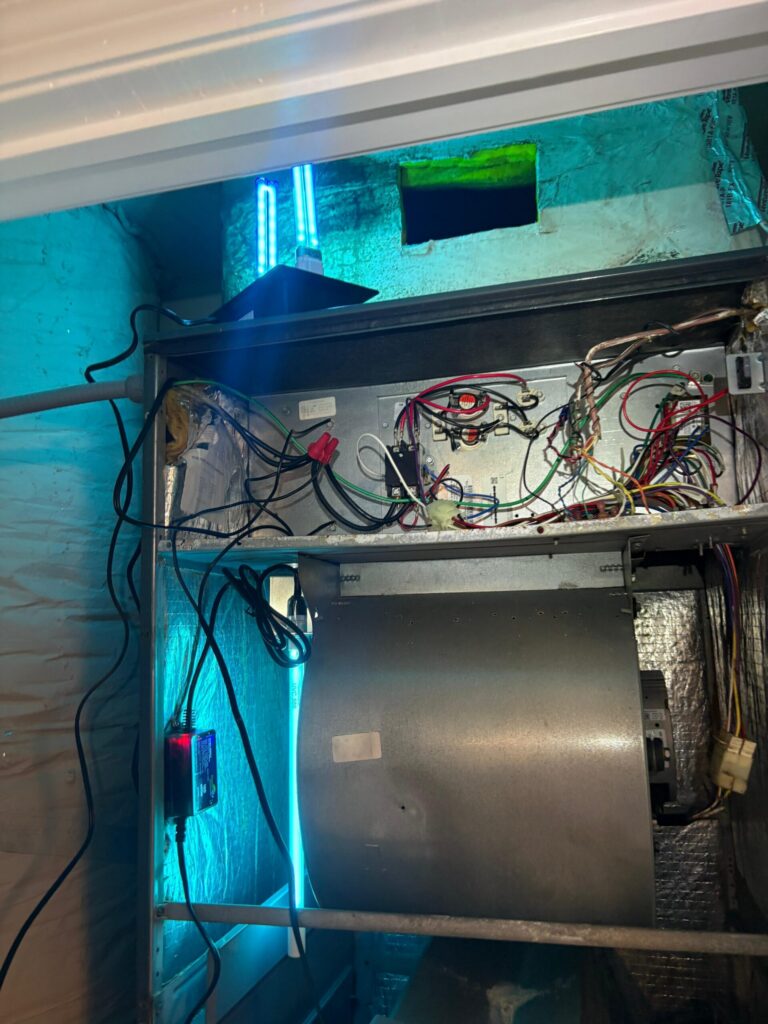
- Clean the blower wheel and air handler, where fine dust and drywall residue collect and throw the wheel out of balance.
- Clean the evaporator coil, which traps dust and holds moisture - a particular concern in our humidity.
- Inspect for damage from the renovation itself - a return that was blocked, flex duct that was crushed or disconnected, or a grille left off and forgotten.
- Sanitize where needed if the ducts sat damp during the work or if there is any musty odor.
How Often Do Port Saint Lucie Homes Need Duct Cleaning?
Outside of a renovation, most homes here fall into a three-to-five-year rhythm, sooner with pets, allergies, or coastal exposure. But a renovation is its own trigger - it is a reason to clean on its own timeline, regardless of when the ducts were last serviced. If you had a kitchen gut, a full repaint, new flooring, or any drywall work, that is the event that resets the clock.
For new construction, a first cleaning after the finishing trades are done is worth doing. A brand-new system full of construction dust is not a clean system, even if the house has never been lived in.
What It Costs
For most Port Saint Lucie single-family homes, an honest air duct cleaning runs in the low-to-mid hundreds of dollars. The number depends on the number of runs, how accessible the attic ductwork is, and whether the blower and coil are included. Post-renovation jobs with heavy drywall dust can take longer, since fine dust requires thorough work at every run.
Be cautious of the flat "$99 whole-house special." That is a lead generator, not a real price - it exists to get a technician into your home and then sell you an invoice you did not agree to. A legitimate quote is itemized, given before any work begins, and takes your actual system into account.
Frequently Asked Questions
1. Should I clean my air ducts before or after a renovation in Port Saint Lucie?
After the dust-producing work is done. Cleaning before the painting, trim or flooring is finished just means the system reloads with punch-list dust. Wait until the heavy dust is complete, then clean the ducts and change the filter one final time.
2. Does drywall dust really get into the ductwork?
Yes. Drywall dust is fine enough to pass around a filter that is not perfectly seated, and any return grille left uncovered during the work lets it straight into the system. Once inside, it settles on duct walls, the plenum, the blower wheel and the coil - places a vent-only vacuum never reaches.
3. Is duct cleaning worth it after a remodel?
Usually yes. Renovation dust does not clear on its own, and in our humid climate it clings and builds in layers instead of moving through. Cleaning removes the source, which is why many homeowners notice less dust and better airflow afterward.
4. Do new construction homes need duct cleaning too?
Often yes. The finishing trades - drywall, paint, trim and flooring - work with the system already installed, so a new home can have construction dust throughout the ductwork before anyone lives in it. A first cleaning after the trades finish is worth doing.
5. How much does air duct cleaning cost after a renovation in Port Saint Lucie?
For most single-family homes, an honest cleaning runs in the low-to-mid hundreds of dollars, depending on the number of runs, attic access, and whether the blower and coil are included. Call (772) 212-0985 for a free, no-pressure estimate.
6. Can I just run the AC and let the dust work its way out?
No. Running the system is what spreads the dust through every room, and in a humid home it settles on damp duct surfaces rather than leaving. Without cleaning, the buildup stays and keeps recirculating.
Breathe Easier After Your Remodel
A renovation should leave you with a home you enjoy, not a system that dusts every surface for months. Clean ducts after the work is done are the difference between the two. Our insured team cleans air ducts, dryer vents and chimneys across Port Saint Lucie and all of Saint Lucie County. We are open Sunday through Friday, 24 hours a day, and closed Saturdays, and every quote is itemized and given before any work begins.
Call Sunshine Duct Cleaning at (772) 212-0985 to schedule a free, no-pressure air duct cleaning estimate for your Port Saint Lucie home, and we will show you what the work left behind before you decide. You can see every community we serve on our Saint Lucie County service areas page.